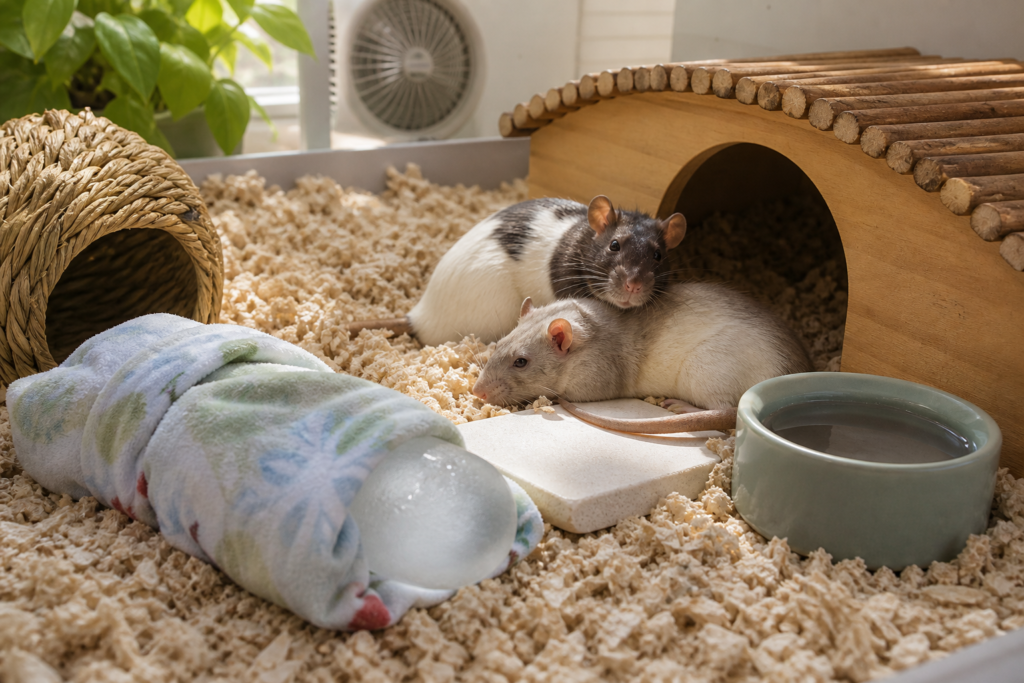
Warm weather can be harder on pet rats than many people realise. Even on days that do not feel extreme to us, an enclosed room, direct sun through a window, or a stuffy evening can quickly leave rats uncomfortable and at risk. That is why rat heat safety matters so much in late summer 🐭💛
Rats are clever, active little animals, but they are not built to cope with high temperatures. They cannot sweat like people do, and they can become unwell far more quickly than owners expect. A few simple changes to their setup and daily routine can make a very big difference.
Why hot weather is a real risk for rats
Good rat heat safety starts with understanding the problem. Rats can overheat in warm, humid, poorly ventilated spaces, especially if their enclosure is near a sunny window, conservatory, radiator pipe, or warm electronic equipment. Heat can also build up overnight, which catches many people out.
Unlike us, rats cannot remove layers, open windows, or ask for cooler bedding. They rely completely on their environment being set up safely. Elderly rats, overweight rats, and rats with breathing problems may be even more vulnerable, so extra care is needed.
Signs your rat may be too hot
One of the most important parts of rat heat safety is spotting early warning signs. A rat that is too warm may look restless at first, then become quiet and flat as they struggle.
- lying stretched out more than usual
- fast or laboured breathing
- lethargy or unusual weakness
- drooling or very wetness around the mouth
- redder ears, feet or tail than normal
- lack of interest in food or play
- collapse or unresponsiveness in severe cases
If your rat is showing severe signs, this is an urgent veterinary situation. Move them to a cooler space straight away, offer a safe way to cool down gently, and contact a vet without delay. Do not place a rat into icy water or try to cool them too suddenly.
How to create a cooler rat setup at home
The best rat heat safety plan is prevention. Look at your rats’ room before the hottest part of the day and again in the evening. A setup that feels fine in the morning may be very warm by 6pm.
Keep the enclosure out of direct sun
This sounds obvious, but sunlight moves across a room. Check where the sun falls in the afternoon, not just where it is at breakfast time. Move the enclosure away from bright windows and avoid conservatories or garden rooms that heat up quickly.
Improve airflow safely
Fresh air helps, but strong draughts are not ideal. Open windows securely if the room is safe, use curtains or blinds to block direct sun, and keep air moving through the room. If you use a fan, do not point it straight at your rats. Instead, let it circulate air nearby so the room feels fresher without blasting them.
Offer cool surfaces
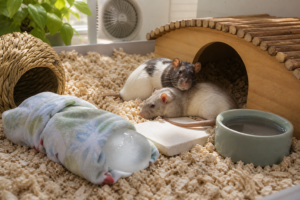
Many rats choose to rest on a cool tile, ceramic plate, or stone slab when temperatures rise. These can be a lovely part of rat heat safety because they allow rats to choose the cooler spot themselves. Make sure the surface is clean, stable, and easy to move away from if they prefer softer bedding.
Use wrapped frozen bottles carefully
A frozen water bottle wrapped in a towel or fleece can help cool a nearby area. Place it on the outside of the enclosure if possible, or inside only if it is fully wrapped, secure, and your rats cannot chew through dangerous plastic. The aim is to create a cooler zone, not force contact with something icy.
Make sure water stays fresh
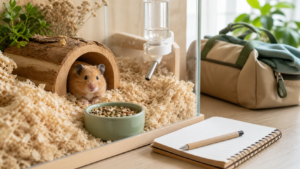
Check bottles and bowls more often in summer. Warm water is less appealing, and some rats drink better from a bowl than a bottle. Offering both can support rat heat safety, provided the bowl is stable and kept clean.
Simple daily habits that support rat heat safety
Small routine changes can help a lot during warm spells.
- Do a quick morning and evening temperature check in the room.
- Offer watery vegetables in moderation if they already suit your rats’ usual diet.
- Keep cleaning products, aerosols and strong scents out of the room, as warm air can make it feel even stuffier.
- Handle rats less during the hottest part of the day if they seem sleepy or uncomfortable.
- Save active playtime for cooler times, such as later in the evening.
Rat heat safety is also about giving choice. Some rats will sprawl in the open, some will nap near a cool tile, and some will retreat to a shaded hide. A good setup lets them decide what feels most comfortable.
Common mistakes to avoid
Because owners want to help quickly, well-meant cooling attempts can sometimes backfire.
- Do not put rats in direct sun for “fresh air”. Shade and ventilation are far safer.
- Do not spray them with very cold water unless a vet advises it.
- Do not place ice packs where skin can sit against them directly.
- Do not assume night-time is automatically safe. Warm rooms can stay hot well after sunset.
- Do not ignore reduced appetite or breathing changes.
If you are ever unsure, it is always kinder to cool the environment gently and phone your vet for advice. With small animals, waiting to “see how they are later” can be risky.
When to call a vet urgently
Please seek urgent veterinary help if your rat is breathing hard, seems floppy, cannot balance, is not responding normally, or has collapsed. These are not signs to monitor casually at home. Heat-related illness can become serious very fast.
While arranging help, move your rat to a quieter, cooler room, reduce stress, and provide gentle cooling nearby. Avoid panic, but do act quickly.
How rescue-minded owners can plan ahead
One of the kindest parts of rat heat safety is planning before the next warm day arrives. Keep a clean ceramic tile ready, have spare bottle bowls or water bowls available, and know which room in your home stays coolest. If you are adopting or thinking about adoption, it is worth reviewing your setup before new rats come home.
Greatfield Small Animal Rescue regularly shares gentle, practical welfare advice across the website, and it is well worth exploring those guides if you are building a better home for rescued small pets. Small improvements really do matter.
Quick recap
- Keep your rats out of direct sun.
- Support airflow without blasting them with a fan.
- Offer cool surfaces and safe shaded spaces.
- Refresh water often and check the room morning and evening.
- Watch carefully for breathing changes, lethargy, or collapse.
Rat heat safety is not about fancy gadgets. It is about thoughtful setup, careful observation, and quick action when something feels off. A calm, cool environment can help your rats stay comfortable through warm August days and stuffy summer nights 🐭💛
If this guide helped, please share it with another small pet owner, explore more care advice on the Greatfield Small Animal Rescue website, and consider supporting rescue work or adoption when the time is right.
Further Reading
FAQs
What temperature is too hot for pet rats?
There is no single magic number that is safe for every rat in every room, because airflow, humidity, age and health all matter. In general, warm, stuffy rooms can become dangerous surprisingly quickly, so the safest approach is to focus on ventilation, shade, fresh water and close observation rather than waiting for a number on a thermometer.
Can I put a fan directly on my rats?
It is better to improve the room temperature and airflow around them rather than aim a strong fan directly at the enclosure. Your rats should always be able to move into a sheltered area if they want to.
Are frozen treats the best way to keep rats cool?
Not necessarily. For most homes, better rat heat safety comes from room setup, shade, cool surfaces and fresh water. Food-based cooling can be a small extra, but it should never replace safe housing and careful monitoring.