
Care Information

Chinchillas, classed as exotic pets, are beautiful creatures known for their amazing super soft fur and big, saucer ears.
Chinchillas are crepuscular rodents native to South America. They’re found high up in the mountains, making them more hardy animals than some people may think.
Chinchillas can live up to 20 years and can become very tame if socialised well. They are more active at dusk and dawn so their activity patterns may not suit all families. They’re adventurous and often mischievous but they can also be shy. Not all chinchillas will tolerate handling. Chinchillas fur is delicate and they can ‘slip fur’ when mishandled, so they must be handled carefully.
Chinchillas like company should always be kept in pairs or trios. They’re approximately 28 – 49cm in size and come in a variety of colours, but most often white, black or grey.

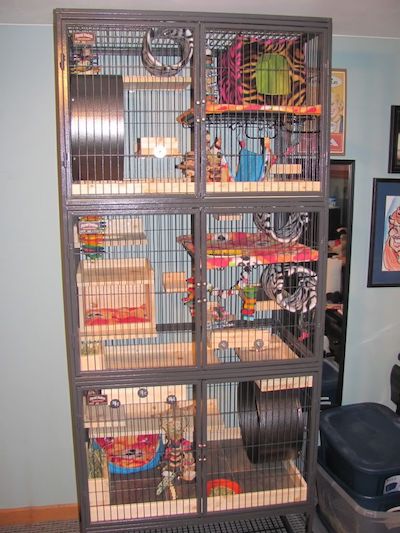
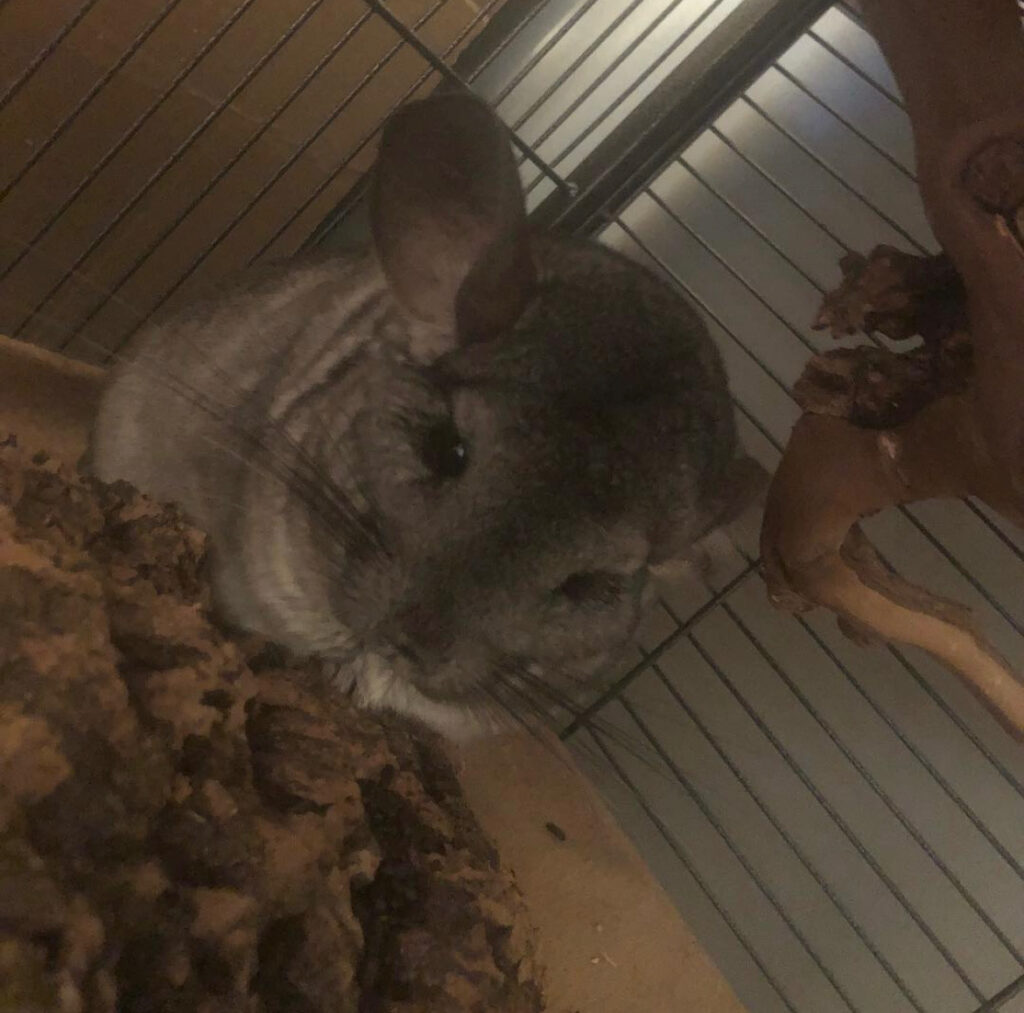
Chinchillas enjoy time out of their cage but it must be supervised to prevent any accidents such as chewing cables. Chinchillas sometimes make little chirping noises when happy but are generally silent. Making a room chinchilla-safe for playtimes is recommended.
Watching them explore and be entertained is one of the best ways to bond with your pet. It is important to remember that chinchillas are prey species and are generally not fond of cuddles; that does not mean they don’t appreciate your presence however.
They will happily run over you, they also enjoy climbing up and jumping off of things, so make sure that they cannot jump off anything too high.
It’s not recommended to neuter chinchillas as they are much easier to bond with their own sex compared to other small animals.
Check your chinchillas are eating daily, passing plenty of dry healthy shaped droppings. Monitor the amount/types of food they eat, and how much they drink. If eating/drinking habits change or quantity of droppings reduce/stop, consult your vet immediately – as they could be seriously ill.
Because chinchillas sleep during the day you may not easily notice if they’re unwell. Changes in normal behaviour can be early signs they’re ill or in pain. If chinchillas aren’t eating/are quieter than usual they’re highly likely to be ill/in pain.
Please click on the button below to get in touch
Typically replies within an hour
I will be back soon
