Care Information
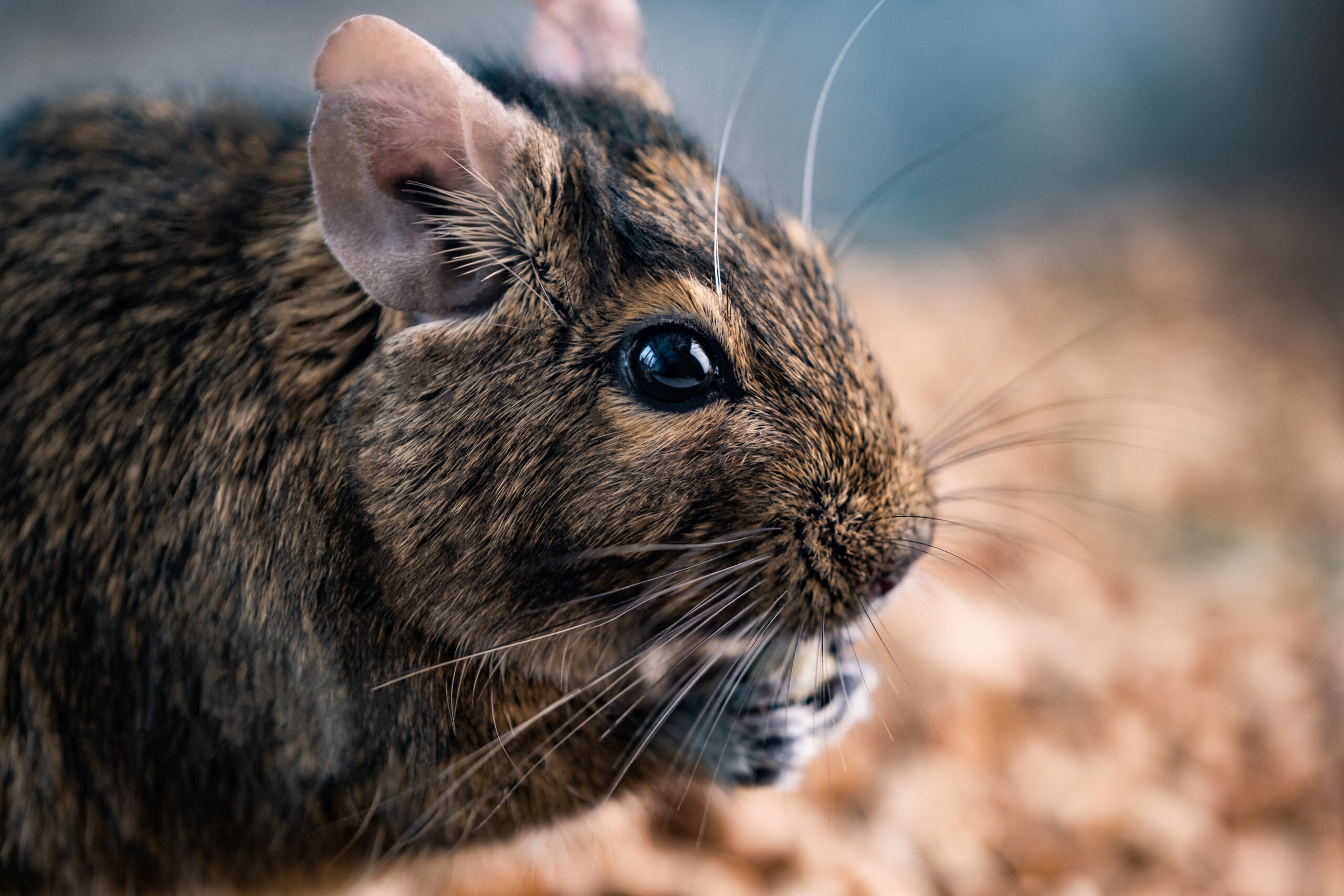
Also known as “Jirds”, gerbils are small burrowing rodents adapted for life in deserts. The Mongolian Gerbil is the most common type of gerbil kept as a pet. You’ll often see them buried making tunnels in deep layers of substrate. They’re often liked for their unique cute look and fun personalities.
Not all gerbils are jirds, but all jirds are gerbils. Gerbils and Jirds have different phenotypic differences. There are over 90 recognised species of gerbils!
Gerbils are incredibly sociable animals and should never be kept alone. They live best in groups or, as a minimum, pairs and have complex social bonds.
They live 3-4 years, though some can live to 5 years as this is just an average.
They’re approximately 11-12cm, with a tail length of between 9-10cm.
They come in various colours, including their original wild Agouti.
They are most active during the night and early morning (nocturnal). This is one of the reasons they aren’t the most ideal pets for small children – they are asleep or resting for most of the time that children may be awake.
You should let your gerbils have time to settle in before you attempt to handle them. This will allow them the time they need to realise their new enclosure is their home and it’s safe.
Gerbils usually become very comfortable with their owners when they’re given the time they need to get used to you and haven’t been repeatedly scared. They will tolerate being held as long as they’re held correctly and usually don’t squirm or struggle – however, they are fast!
When your gerbil is comfortable enough that it trusts you, you may find it’ll climb on to your hand when you open their cage and offer them your hand in a flat position.
Your gerbil will sniff you and explore you. It may feel like they’re biting you, but they are most likely just tasting, seeing if you’re edible or grooming. Don’t panic and don’t make any sudden movements as you may startle your gerbil and it may jump.
If your gerbil has a wound we recommend changing the bedding temporarily to towels to prevent infection. You then need to get your gerbil to the vet as soon as possible. In the meantime, clean the wound with salt water or diluted Hibiscrub to reduce the risk of infection.
Gerbils can occasionally develop tumours as they get older, starting at around three to five years of age. Tumors can grow very quickly because gerbils have a fast metabolic rate. During your health checks, feel and look for unusual lumps.
Please click on the button below to get in touch
Typically replies within an hour
I will be back soon