Care Information

Mice

What is a

MOUSE?

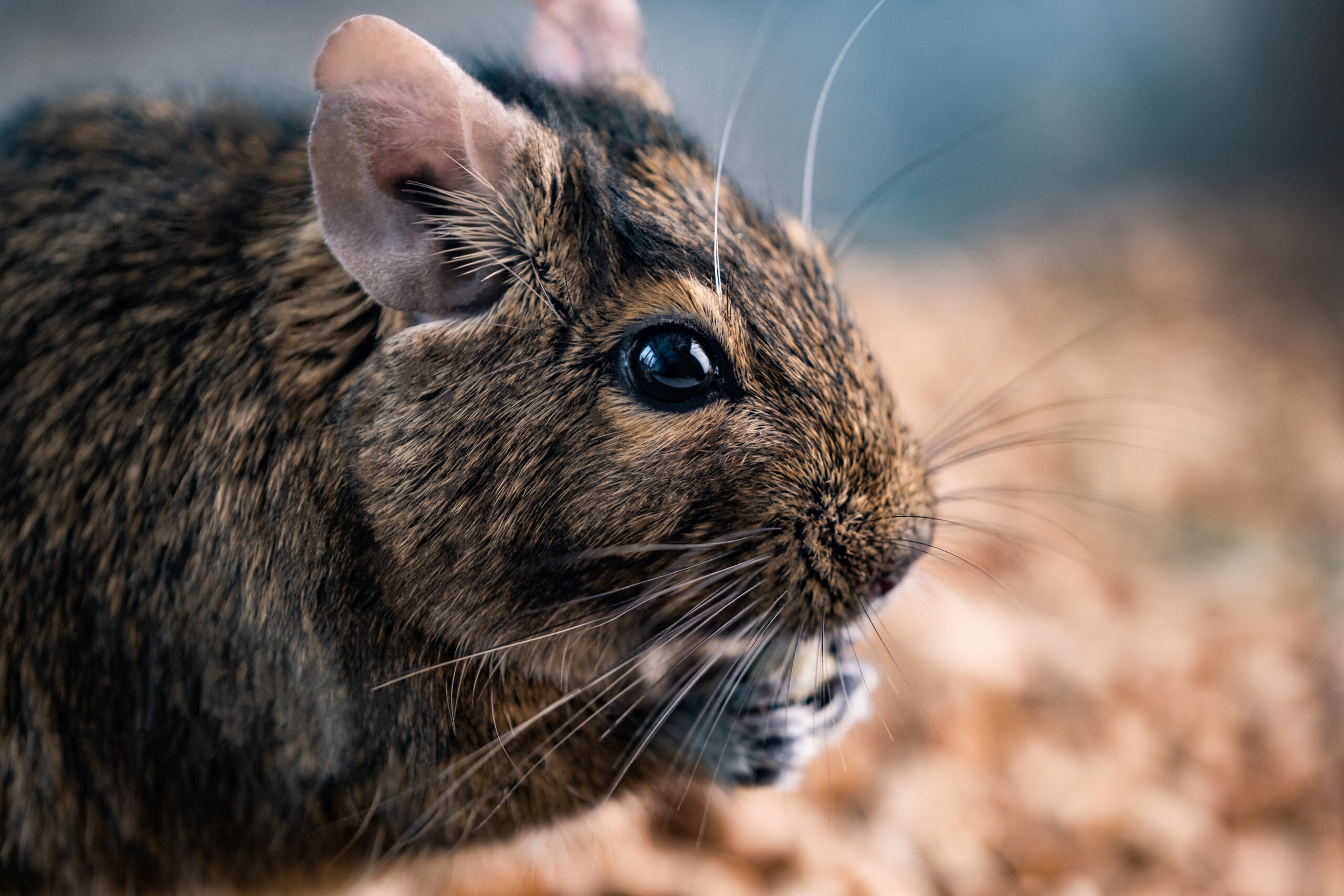
Mice are small rodents who are very active. They are best housed in groups of three or more as they’re social animals and are easily tamed.

The most commonly kept pet mouse is the domesticated house mouse; often referred to as fancy mice. 

Mice are intelligent, playful and curious. They love interaction and exploring their cage!

They have an lifespan ranging from 1 ½ – 2 ½ years. They’re approximately 5-8cm in size, they’re very small pets! They come in various colours which is one of the things that makes them an attractive pet to some people. Another benefit is that they’re most active during the daytime unlike other small rodents such as hamsters.

Temperatures around 18°C-23°C are ideal and humidity levels around 40-60%.

Their care is one of the most undefined of the small rodent world, so you may find advice varies across different sources. One thing for sure is that mice are excellent climbers and escape artists.

Species in the uk
0
year lifespan
0

Further information

Mouse Care

Diet & Nutrition

Mice are omnivores so need a good quality mix such as the Beri mouse mix from Rat Rations. We recommend scatter-feeding their food as it simultaneously provides them with enrichment whilst encouraging them to use their natural instinct when foraging. They can have fruit and vegetables in moderation, but it's best to avoid anything too sugary and they shouldn't be fed citrus fruits. Mice require extra protein so feeding a few dried meal worms as a weekly treat is perfect. Other safe treats include: gravy or milk bones, dried pasta, small amounts of veggies, loose millet spray, hay and dried forage should be provided. Mice require unlimited fresh water in water bottle with a metal tube or shallow bowl.

Accommodation & Environment

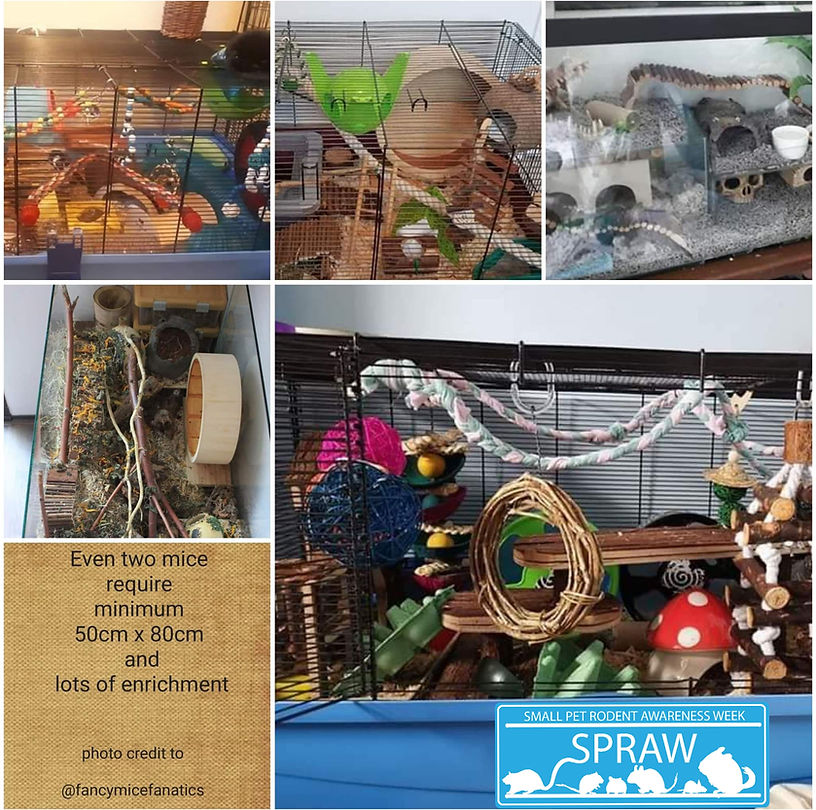
The minimum recommended cage size for a mouse is 80 x 50cm. Cages with narrow bar spacing are most suitable. Glass tanks are a great enclosure for pet mice so long as they have adequate ventilation. Minimum tank sizing should be around 4ft by 1ft depending on the amount of mice you're housing. Mice are best housed in groups of three or more as they're social animals. Mice must be kept indoors. Mice may be small in size but they are incredibly energetic and will need a large cage to live in with lots of enrichment to keep them happy and healthy. Recommended cages for mice include: the Alaska, the Savic Plaza, the Barney, the Hamster Heaven, the Savic Freddy 2, the Detolf, or the Duna Multy Maxi. If you prefer to use a tank, you must ensure it has good ventilation and opportunities for them to climb. Mice need hides, huts and hammocks for sleeping.

Keeping Clean

Mice are prone to respiratory issues. High levels of ammonia (ammonia occurs as a result of urea breaking down) can aggravate and even trigger the onset of diseases. Spot cleaning should be performed every other day. It involves removing soiled bedding and cleaning dirty cage accessories. Bare in mind that over-cleaning and removal of scent marks can be stressful to mice. Deep cleaning should be performed every 7-10 days depending on the number of mice in the enclosure, and the size of the enclosure.

Enrichment

Like most small pets rodents, mice like to run! You should provide a solid surface exercise wheel, for example, a 20cm Trixie wheel or a large flying saucer. Provide two wheels for larger groups. In the wild, mice are very active and spend their time climbing, foraging and exploring. Creating an environment that allows them to display these behaviours is paramount. Provide your mouse with things to chew, things to climb, and space to run around and play.

Bedding

Mice love to dig so will need a deep layer of paper based bedding, e.g. Softacard, Finacard or Fitch, in the base of their cage. They also need nesting material such as hay, unscented toilet and kitchen roll. IMPORTANT: Although it might look like a comfy choice for your mouse/mice, you should avoid using fluffy or cotton wool type bedding. It can cause respiratory issues, get trapped around limbs or cause blockages if swallowed.

MEDICAL​

Health Checks

Mice are pretty hardy animals and rarely get sick. Appropriately sized housing, a nutritious diet, keeping their housing clean, and considerate care will help ensure your mouse doesn’t get sick.

Signs of illness in mice include a ruffled coat, being depressed, lethargy, closed or squinted eyes, reluctance to move even when handled and reluctance to eat. Changes in the colour, consistency, smell, or amount of urine or poo may also indicate that your mouse is sick. If you see any of these symptoms in your mouse it is recommended that you go and get your mouse checked over by your vet. 

As mentioned earlier, respiratory issues are common in mice, so mice should be kept away from damp and drafts. This is another reason why keeping their environment clean with spot cleaning and regular deep cleans is so important.


We Are Always Here To Help You Or Answer Any Questions

Please click on the button below to get in touch

Greatfield Team

Greatfield Team

Typically replies within an hour

I will be back soon

Greatfield Team
Hey there 👋
Thanks for opening up a chat. How can we help you?
Messenger