Guinea pigs, also known as cavies, are active herbivores with big personalities and very specific care needs. They are naturally social animals and should be kept in at least pairs or compatible groups.
They are not low-maintenance starter pets. They need large floor-level housing, unlimited hay, vitamin C, daily cleaning, enrichment, gentle handling and prompt veterinary care when something is wrong.
A single guinea pig can become lonely and stressed. They need the company of another suitable guinea pig, not just human attention.

Plus fresh water, daily cleaning, safe bedding, enrichment, gentle handling and a guinea-pig-savvy vet.
Guinea pigs are active, vocal, social rodents. They may look simple to care for, but they have very specific housing, diet, companionship and health needs.
Guinea pigs are herd animals and are best kept in compatible pairs or groups.
Wheeking, rumbling and squeaking are all part of guinea pig life.
Guinea pigs can be awake for much of the day and night, so bedrooms may not be ideal.
Large, flat floor space is more useful than ramps, shelves or multiple levels.
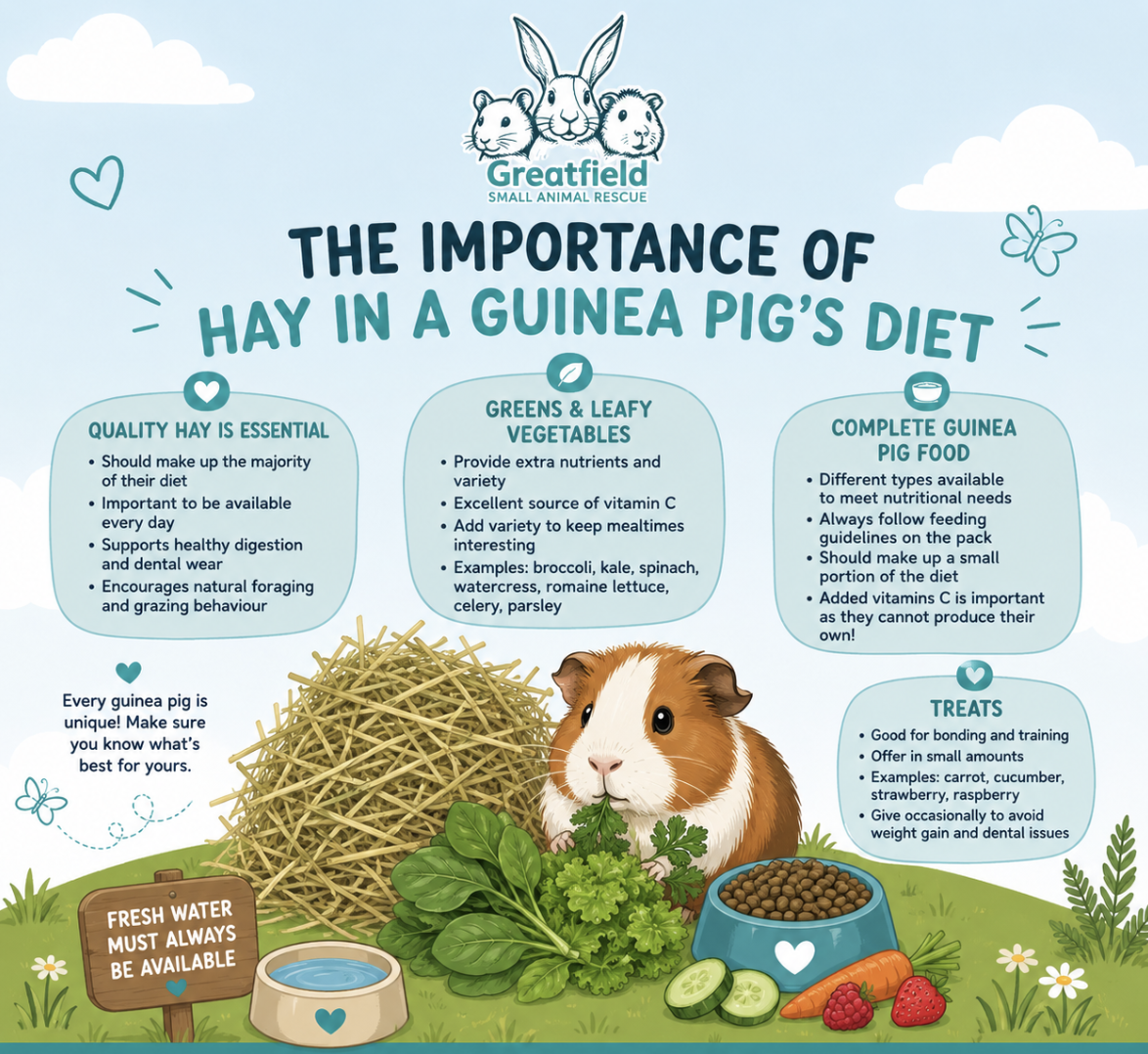
Guinea pigs are true herbivores. Their diet should be built around unlimited good-quality low-calcium hay, such as Timothy hay or high-quality meadow hay. Hay supports gut health, helps keep teeth worn down and keeps them occupied through natural grazing behaviour.
Guinea pigs cannot make their own vitamin C, so they need it provided through their diet. This usually comes from quality guinea pig nuggets containing vitamin C and suitable fresh vegetables.
Sudden diet changes can upset guinea pig tummies. New vegetables, herbs and treats should be introduced gradually and in small amounts.
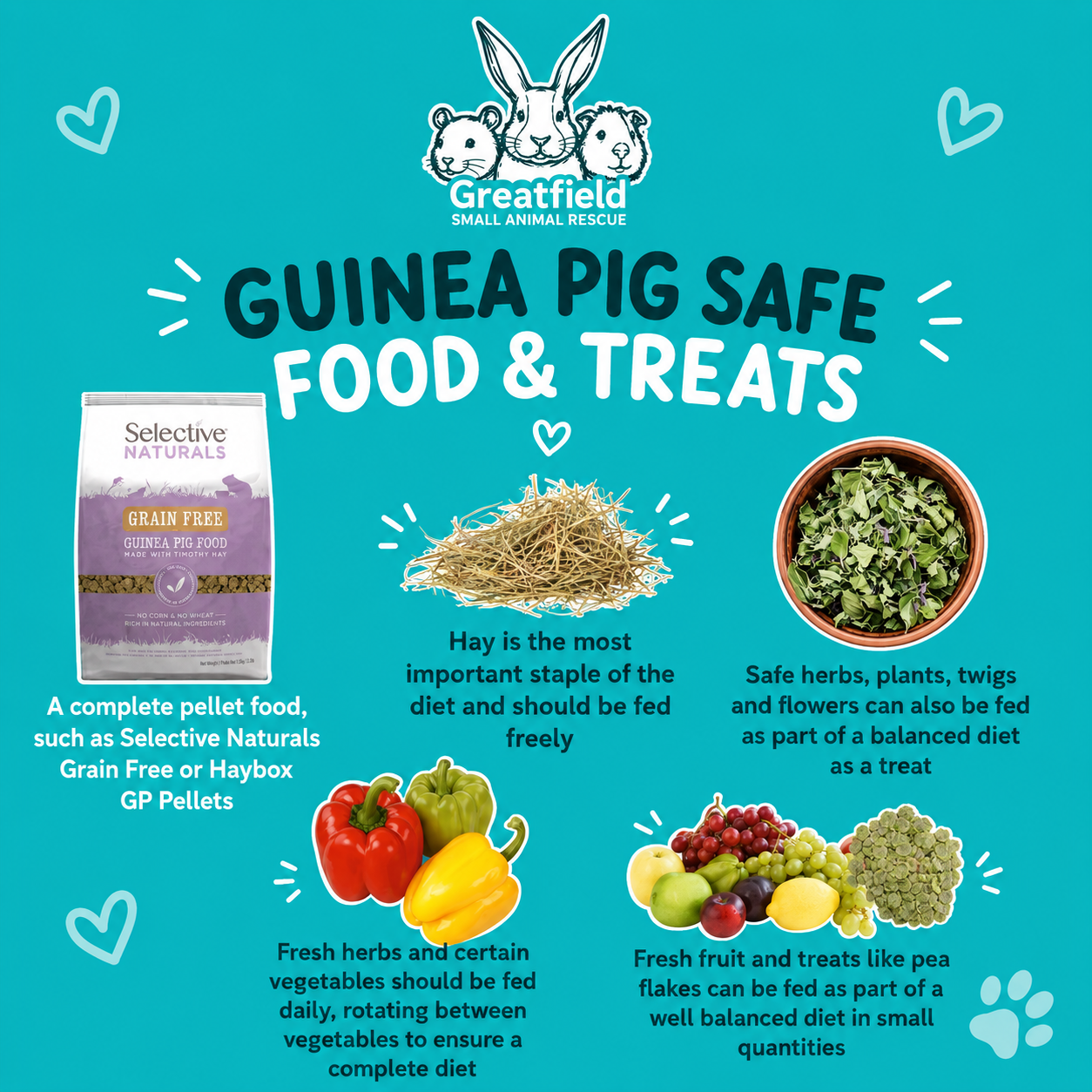
Fresh, clean hay should be unlimited and available at all times.
Suitable veg helps provide vitamin C, variety and enrichment.
Feed a guinea-pig-specific nugget with vitamin C, following the packet guidance.
Guinea pigs need plenty of floor space. They are not natural climbers and often do not enjoy ramps, so a large single-level setup is usually much better than a smaller multi-level cage.
C&C cages can be a good option indoors because they are affordable, customisable and can be made much larger than many commercial cages. Outdoor shed conversions can also work well if they are secure, predator-proof and protected from weather extremes.
Guinea pigs need enough space to move freely, popcorn, forage, choose hiding places and get away from each other when needed.
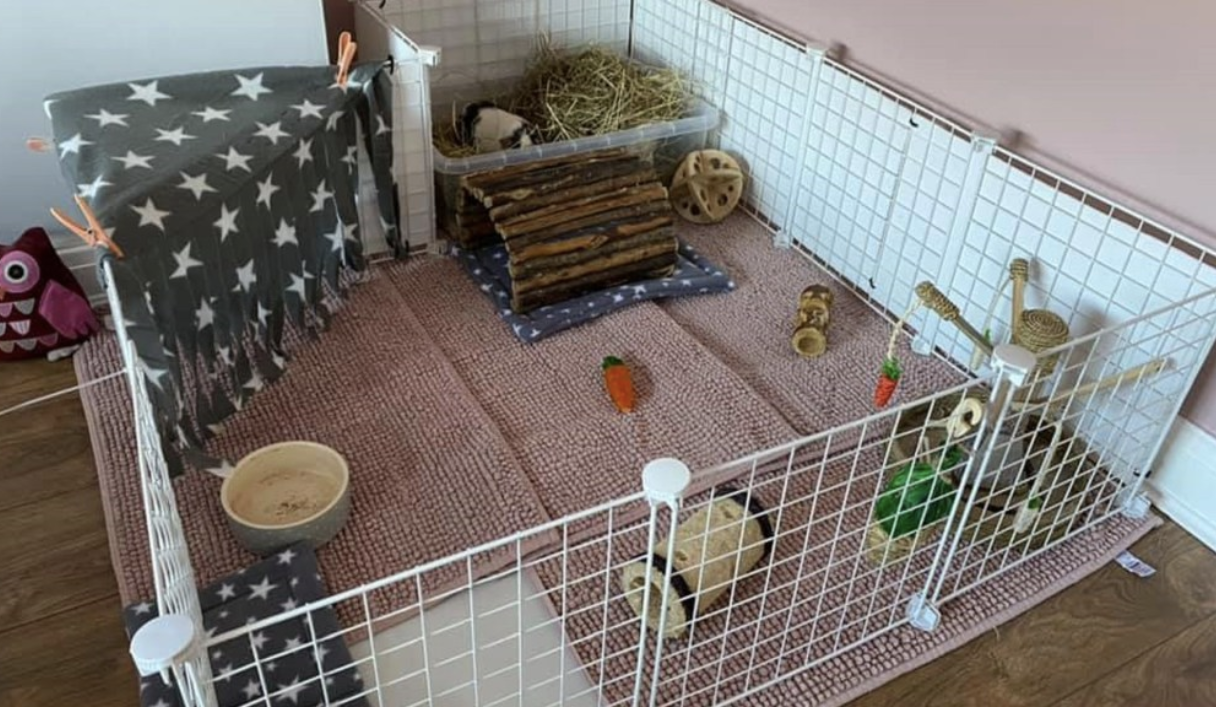
Guinea pigs poo a lot, so regular cleaning is an important part of keeping them healthy and comfortable. A quick daily spot clean helps keep bedding dry, reduces smells and keeps the enclosure nicer for them to live in.
If you use fleece liners, snuggle sacks, blankets or hammocks, wash them regularly. Avoid fabric conditioner because it can create a waxy finish and reduce absorbency.
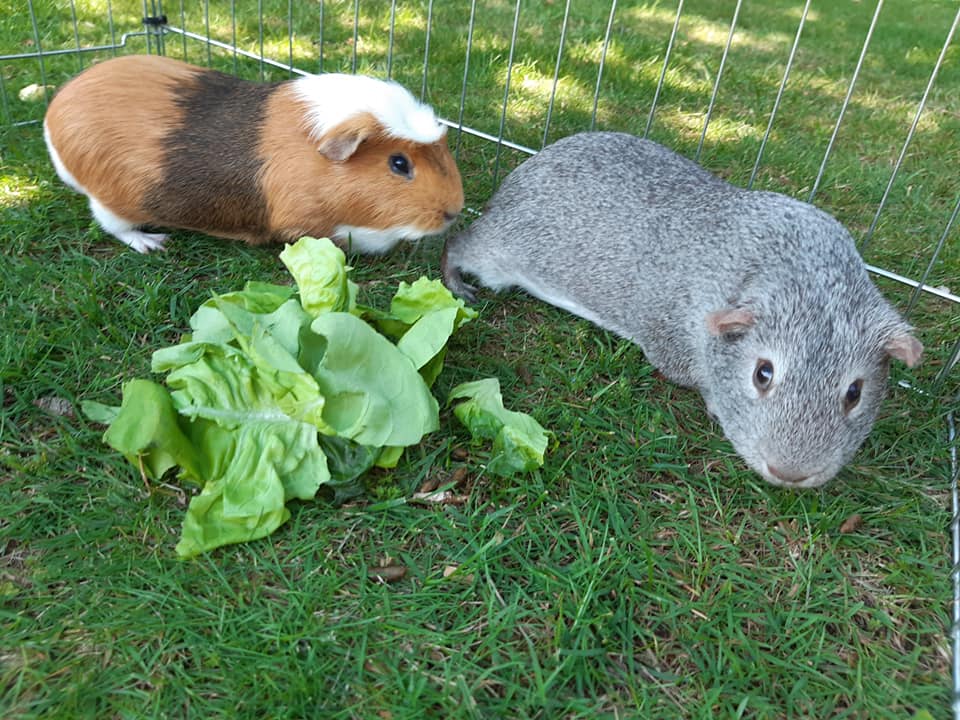
Guinea pigs are intelligent little animals who thrive with safe enrichment. Their setup should allow them to exercise freely, explore, hide, forage and interact with their companions.
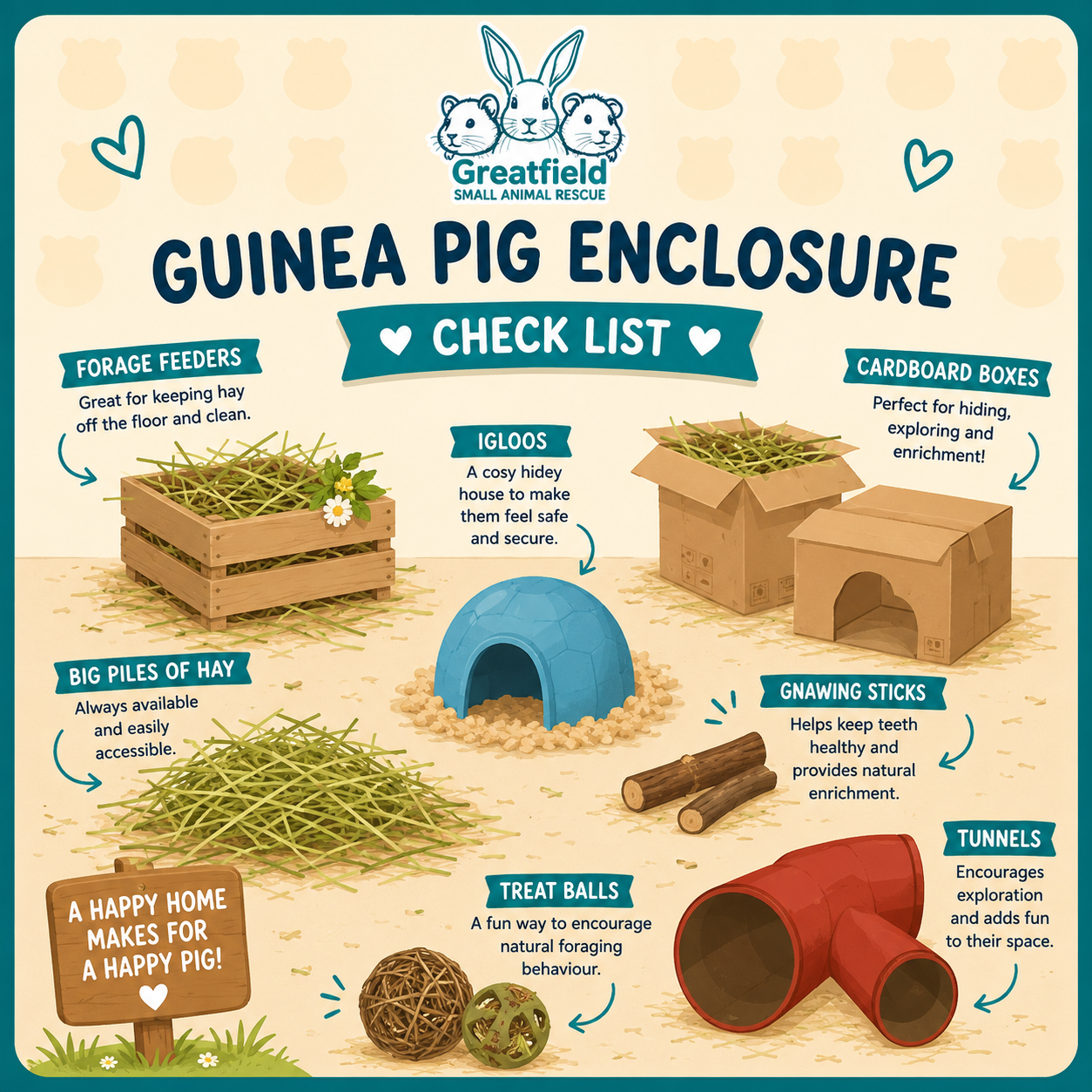
Simple enrichment can be very effective. Tunnels, hides, boxes, snuffle mats, treat balls and cardboard tubes filled with hay can help encourage natural foraging and keep them busy.
Guinea pigs can be kept on different types of bedding, including fleece liners, paper-based bedding, cloth systems and some safe wood shavings. The best option depends on your setup, cleaning routine and your guinea pigs’ needs.
Fleece liners are popular for indoor setups, but not all liners are equal. More absorbent options, such as those with a proper absorbent layer, are usually better than thin fleece alone.
Guinea pigs handled kindly from a young age can learn that humans are safe. Those who have had little handling, rough handling or frightening experiences may be nervous and need more time.
Guinea pigs can be fast and hard to catch, so handling should be calm and secure. Children should always be supervised by an adult. Many guinea pigs enjoy head scratches, chin scratches and gentle fuss once they trust you, but many dislike being touched around the back end.
Putting their vegetables on your lap and letting them choose to come to you can be a gentle way to build confidence.
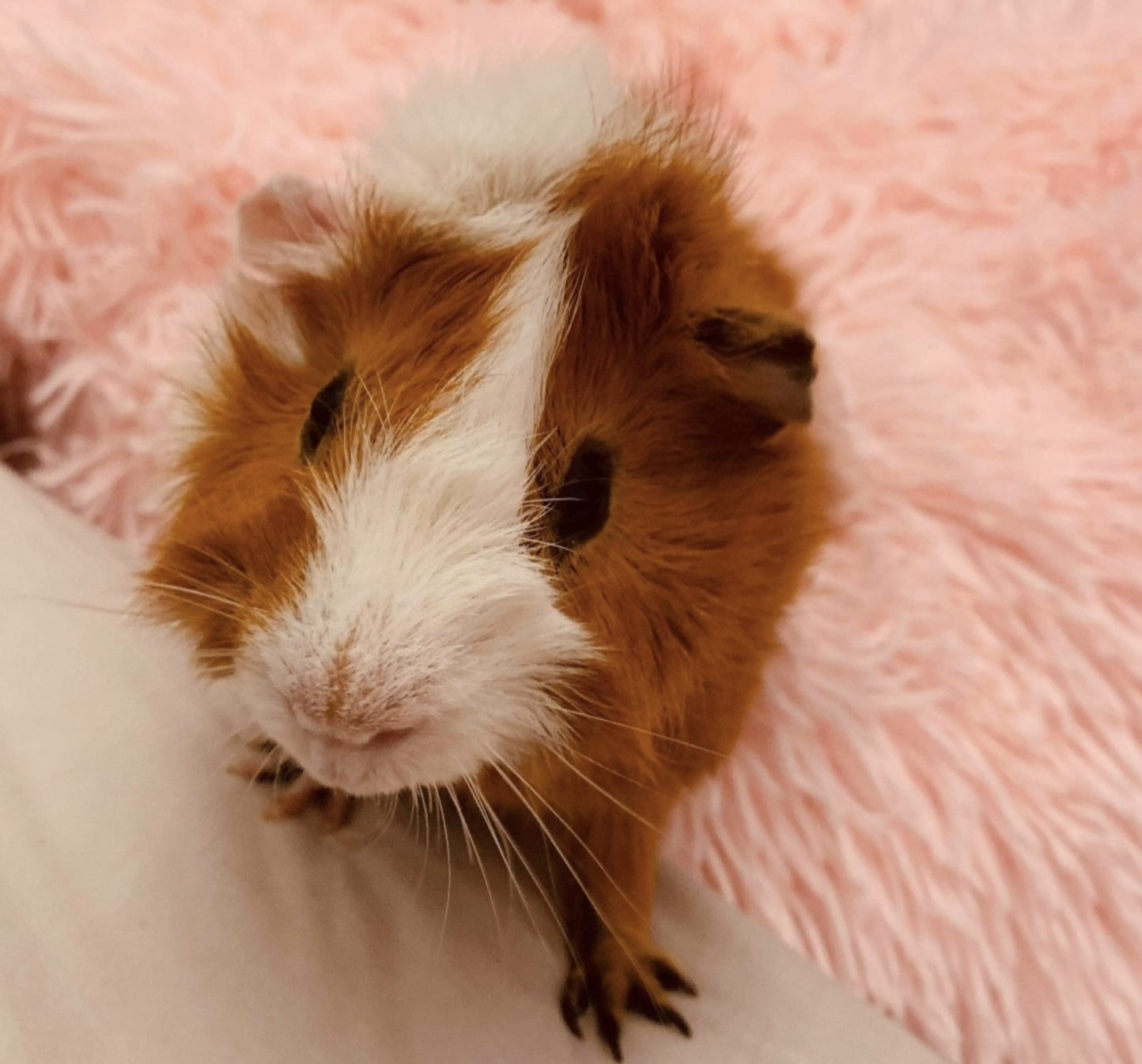
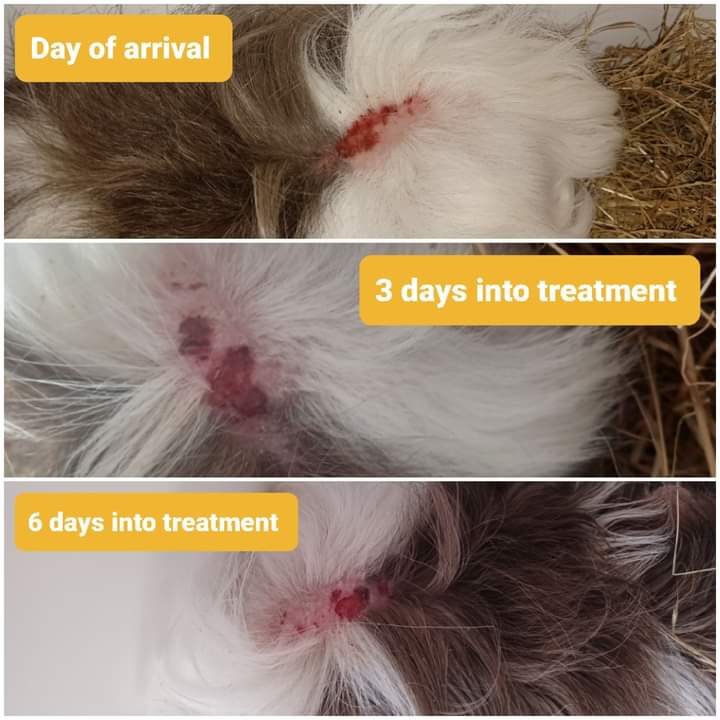
Guinea pigs can deteriorate quickly, so changes in eating, breathing, movement, weight, coat condition or toileting should be taken seriously. A guinea-pig-savvy vet is always best.
Male guinea pigs may be castrated if they are going to live with females, but neutering does not remove all dominance behaviour. Male pairs can live together, but they need careful monitoring for fighting, wounds and behaviour changes.
If your guinea pig stops eating, struggles to breathe, loses weight, seems quiet, painful or suddenly different, contact a guinea-pig-savvy vet promptly.
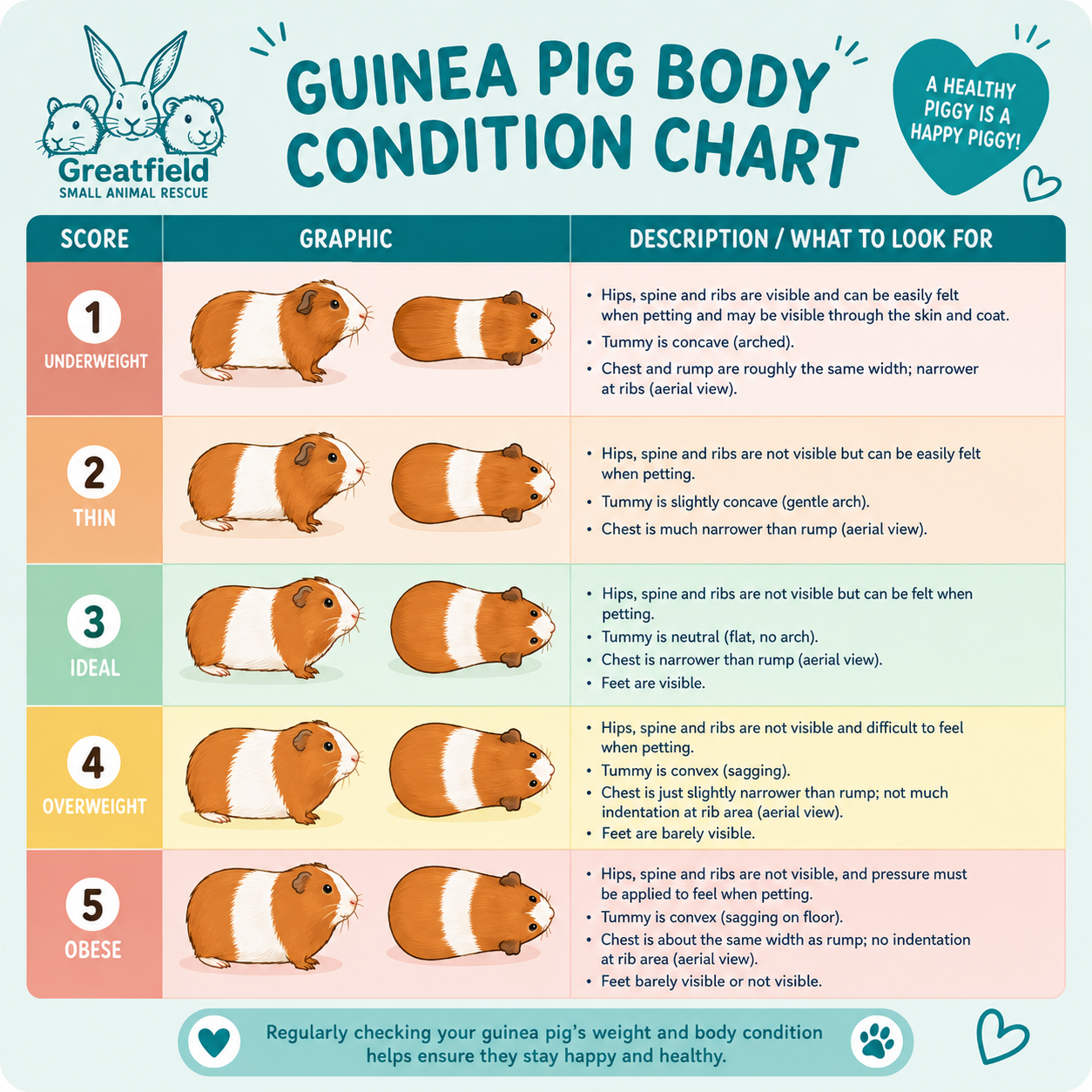
Weekly weighing is one of the simplest ways to monitor guinea pig health. Because they hide illness well, weight loss can sometimes be one of the first signs that something is wrong.
These are the things we wish every guinea pig owner knew before bringing guinea pigs home.
Guinea pigs are social herd animals and should live with a suitable guinea pig companion. Human attention is lovely, but it is not a replacement for another guinea pig.
Our minimum housing size for two guinea pigs is 150cm x 60cm, but bigger is always better. They need flat floor space more than ramps or extra levels.
Yes. Guinea pigs cannot make their own vitamin C, so they need it through suitable vegetables and good-quality guinea pig nuggets containing vitamin C.
They can live indoors or outdoors, but outdoor setups must be safe from predators and weather. In colder months they may need to move to a warmer protected area such as a shed or garage.
Many guinea pigs are not fans of ramps. Large, usable floor space is usually much better than a smaller cage with multiple levels.
Call a vet if your guinea pig stops eating, loses weight, seems quiet, has breathing issues, dental symptoms, skin problems, blood in urine, pain when urinating or any sudden change that worries you.
Whether you are preparing to adopt, improving your setup, worried about your guinea pigs, or need kind, practical advice, please get in touch. We are here to help where we can.
Typically replies within an hour
I will be back soon
