Care Information

Rats

What is a

RAT?

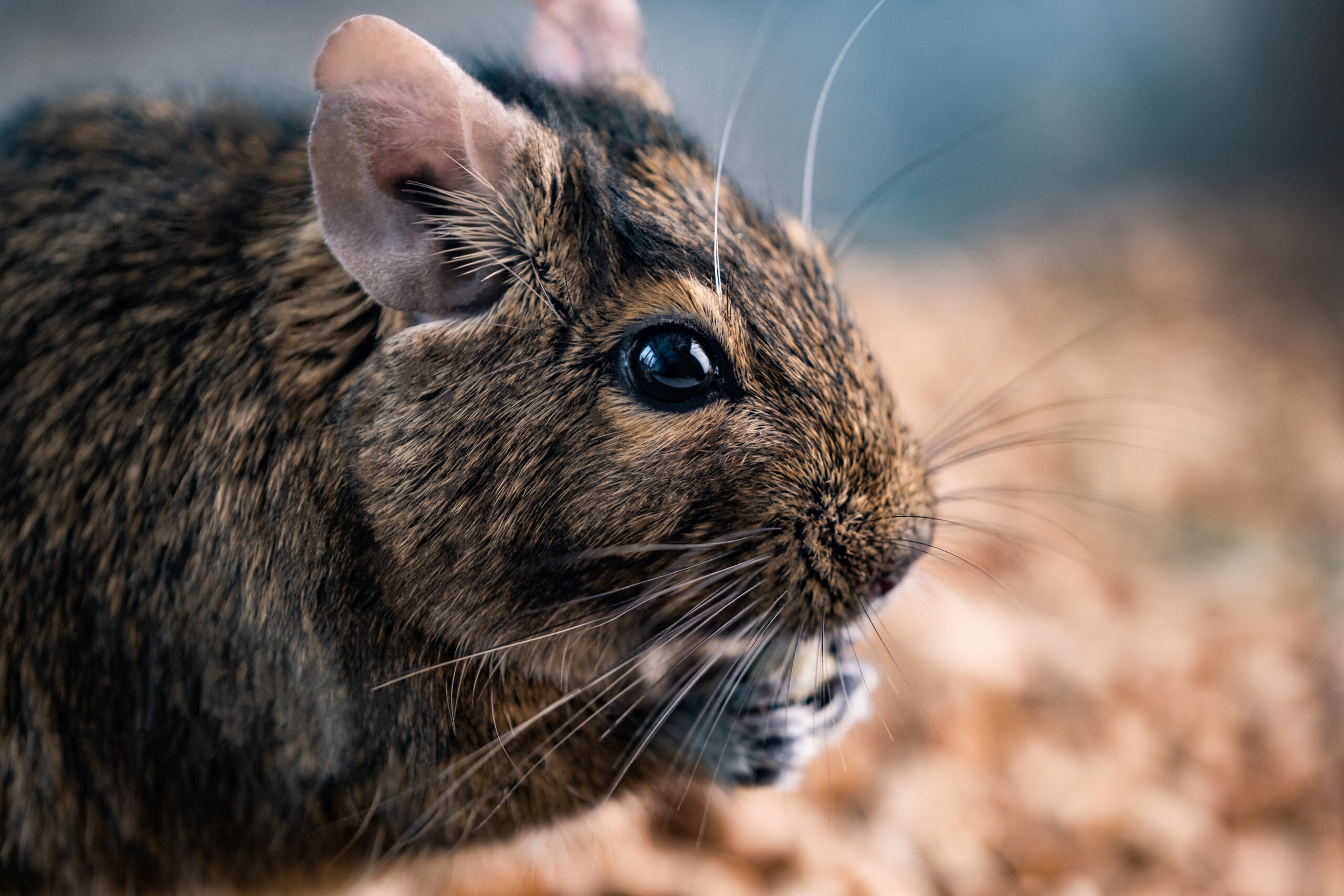
Rats are active rodents who love to explore, enjoy interaction and are very intelligent. The most commonly kept pet rat is the Norwegian/Norway brown rat. Despite what their name suggests, the Norwegian rat didn’t originate in Norway, they’re believed to have originated in China. They’re more commonly known as ‘fancy rats’.

Females will typically be on the move whereas males are likely to be happy to have a cuddle on the sofa. They’re very social so need to be in groups of 2 or more.

They live for approximately 2-3 years and are 23-28 cm in size. They come in a variety of colours such as  brown, white, black, sand, cream, grey or ginger. 

Rats are actually nocturnal, but as they only sleep in shorter bursts unlike humans, they will be seen during daylight hours and often adapt their sleeping patterns to better match their owners.
Rats owners will know that they form very strong bonds with their owners – they’re even able to recognise individual humans.

Most INTELLIGENT ANIMAL
Top 0
year lifespan
0

Further information

Rat Care

Diet & Nutrition

A rat’s diet is super important and a main part of their care – rats love to eat and will try to eat anything and everything. A balanced and healthy diet helps promote a long and happy life as rats are prone to obesity due to their owners overfeeding them, or feeding them too many unhealthy foods. A typical rat food usually comes in one of two forms: a rat pellet/block, or a food mix such as the one from Rat Rations. Consider supplementing diets with small amounts of fruit/vegetables/cooked egg/grains/seeds, given as part of their daily ration.

Treats

There are so many different food items you can use for rats in the form of treats. A treat doesn't have to be unhealthy in the same way a human might label a 'treat'. Instead it should be something that they don't get very often. A good healthy example of a treat is a nut in a shell. They still have to work to eat the treat and it's great for their teeth.

Accommodation & Environment

Rats need lots of space! Your rats enclosure should be the biggest you can get - big metal cages are best, as rats can chew through plastic. The cages you can buy in pet shops are often okay for baby rats, but you might want to think about upgrading to a bigger one as they grow. The cages most commonly recommended are 159 x 63 x 95 centimetres in size, the Savic Suite Royale 95 is a great option. Bar spacing should be 1cm or less for babies and 1.5cm for adult rats. Rats have very delicate respiratory systems which are easily irritated by dust, drafts and scents. Your rats should be housed in a quiet area free from drafts, chills, artificial scents, extreme heat and sudden temperature changes.

Keeping Clean

Rats are very prone to respiratory diseases. Keeping a clean cage can significantly reduce the symptoms and onset of respiratory diseases. Spot cleans are performed every 1-2 days depending on how many rats you have and how much of a mess they make. A deep clean should consist of changing bedding, taking out all toys, cleaning the bars and washing all other items like branches and ropes. We recommend doing this every 7 - 10 days depending on how many rats you have. Full cleans should be done every other clean, which involves taking everything out of the cage and fully disinfecting it.

Enrichment

Rats need to be rats! To meet all their welfare needs rats need to engage in natural behaviours such as running, climbing, digging and foraging. To allow for this rats need lots of enrichment, both in their cage and outside it in their free-range area.
Toys for the cage can include: Large solid floored wheel, nesting areas such as hammocks, sputniks, secure houses, baskets...
objects to climb such as ropes, tubes, wine racks, scarf holders, branches, ladders, chew toys
digging-boxes as seen in the photo below.
Rats will really appreciate being able to make tunnels, have plenty of climbing and nesting opportunities, being able to forage and run around freely in their home.
Bedding

Rats have very delicate respiratory systems which are easily irritated by dust, drafts and scents. Your rats should be housed in a quiet area free from drafts, chills, artificial scents, extreme heat and sudden temperature changes. Suitable substrates include:
chopped card
kiln-dried wood shavings e.g. Bedmax
paper pellets e.g. Back2Nature (great for litter trays)
coco coir (see our bioactive tips!)
All substrates should be dust extracted and any shavings must be kiln-dried; ordinary sawdust / shavings are a no-no as they contain harmful phenols which are toxic to small animals.

OUT-OF CAGE TIME

Handling

Small animals are often mistakenly thought of as good easy pets for children. They are handleable and should come out of their cage for at least an hour a day. They love to explore and get involved.

They may be small, but rats have specialised needs and caring for them requires just as much time, commitment and love as caring for a cat or dog.

While rats may be suitable pets for responsible older children under supervision, they may not make very good pets at all for younger children.

Children often lose interest in pets and then parents need to take on the responsibility for their care, for the rest of the animals’ lives.

Never force them to do anything. They should be given the choice to investigate new environments at their own pace especially if they’re naturally cautious.

Medical

Neutering & Medical Needs

Rats are prone to a number of serious health conditions and can go downhill very fast if not treated straight away. They need to be checked every day and taken to the vet straight away if you notice that something is wrong.

One of the most important aspects of caring for rats is making sure you have a rat-savvy vet. While most vets are expert at treating more common pets like cats and dogs, many vets don’t have much knowledge or experience of treating rats and their specific ailments. To ensure your ratties get the correct treatment it’s a good idea to make sure you have a genuinely rat-savvy vet on hand before anything is wrong. For this you may have to travel.

Before getting your rats, it’s important to consider whether you will be able to afford all the veterinary care they may need in their lifetime.

We Are Always Here To Help You Or Answer Any Questions

Please click on the button below to get in touch

Greatfield Team

Greatfield Team

Typically replies within an hour

I will be back soon

Greatfield Team
Hey there 👋
Thanks for opening up a chat. How can we help you?
Messenger