
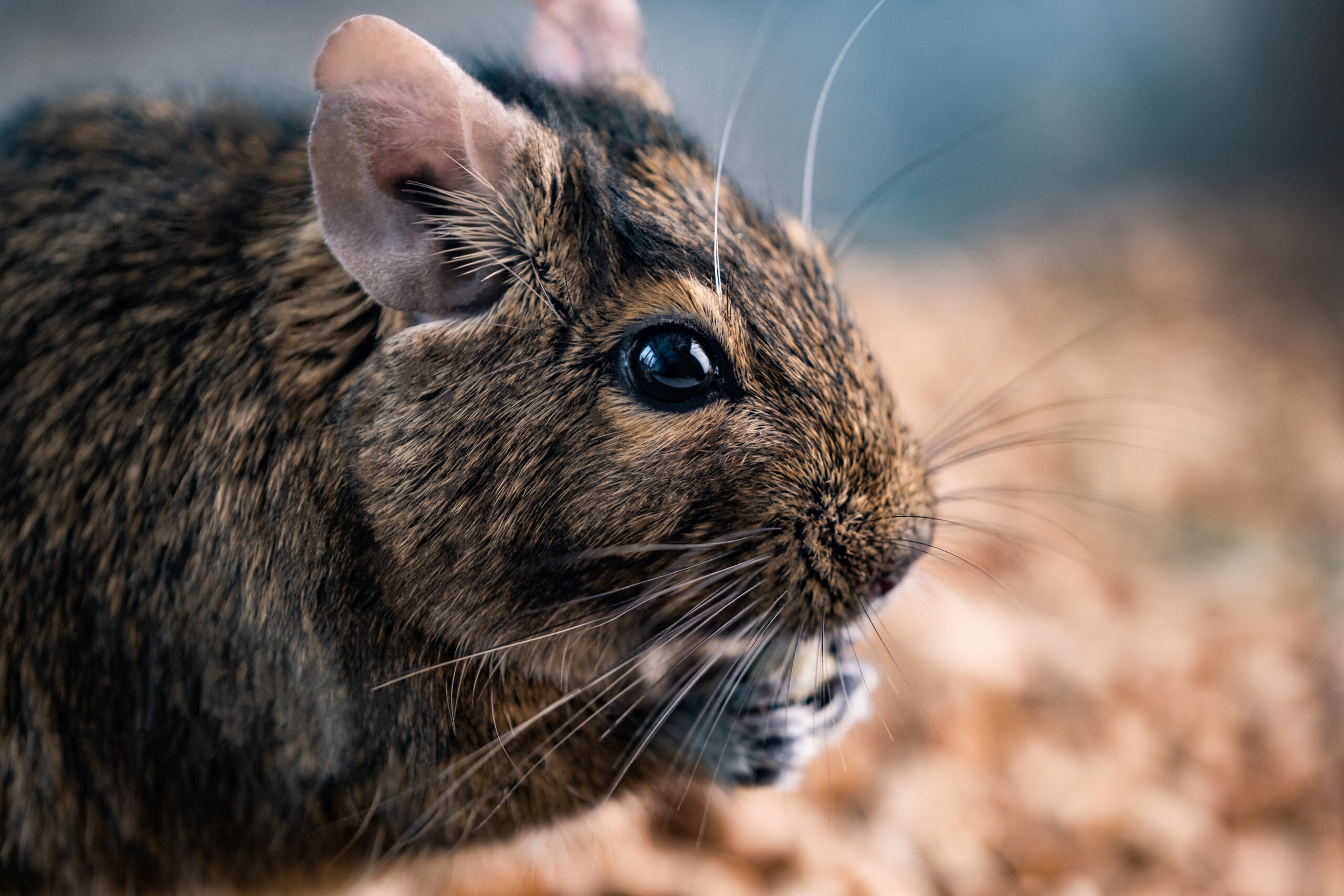
Hamsters are fascinating, intelligent little rodents with individual personalities and a strong need to explore, dig, forage and nest. They may be small, but they are not simple cage pets.
They are usually most active at night and in the early morning, need to live alone, and require a large, enriching indoor enclosure with deep bedding, a safe wheel, a sand bath and plenty to do.
Hamsters are solitary animals. Keeping them together can lead to stress, fighting, injury or death, even if they seem fine at first.
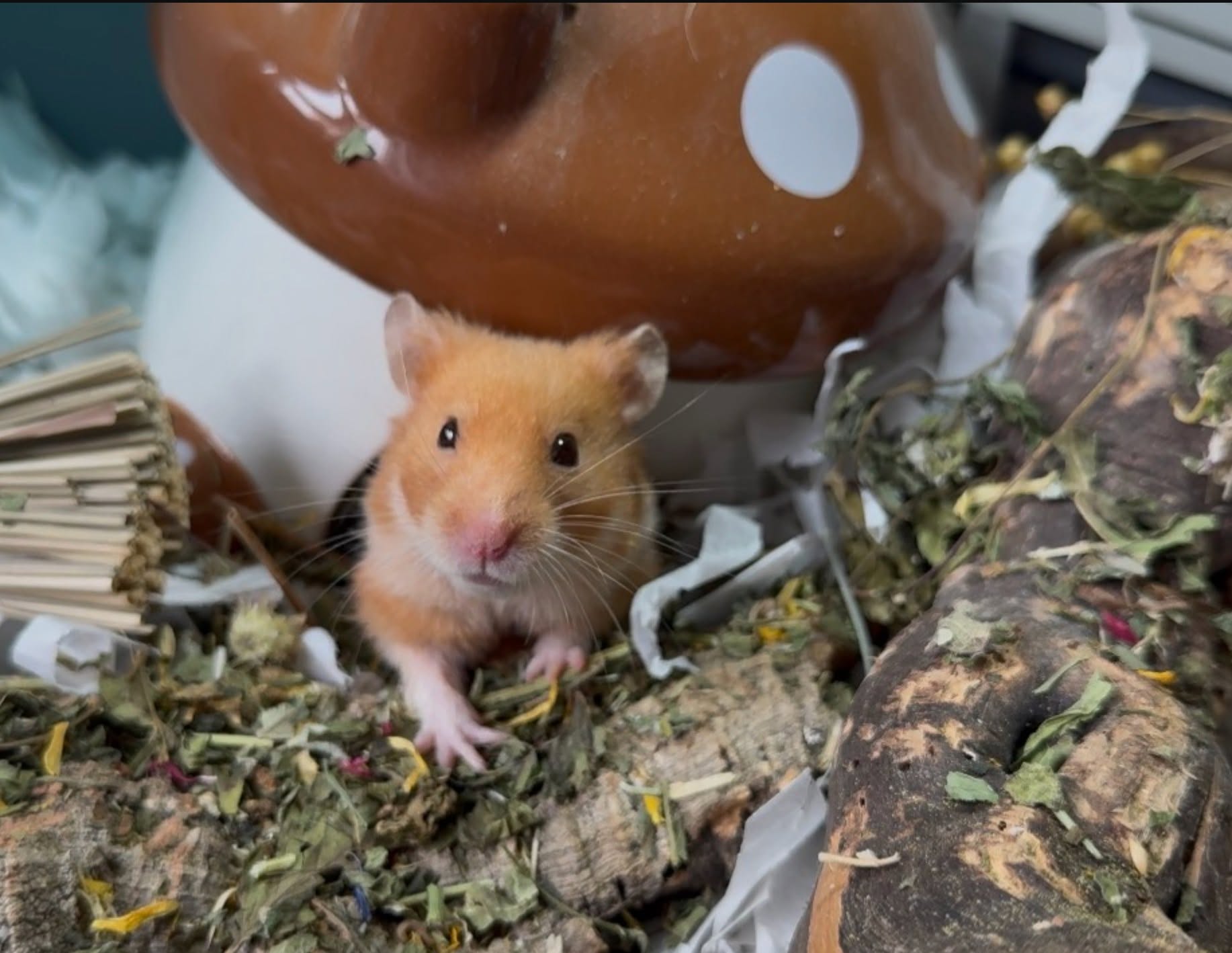

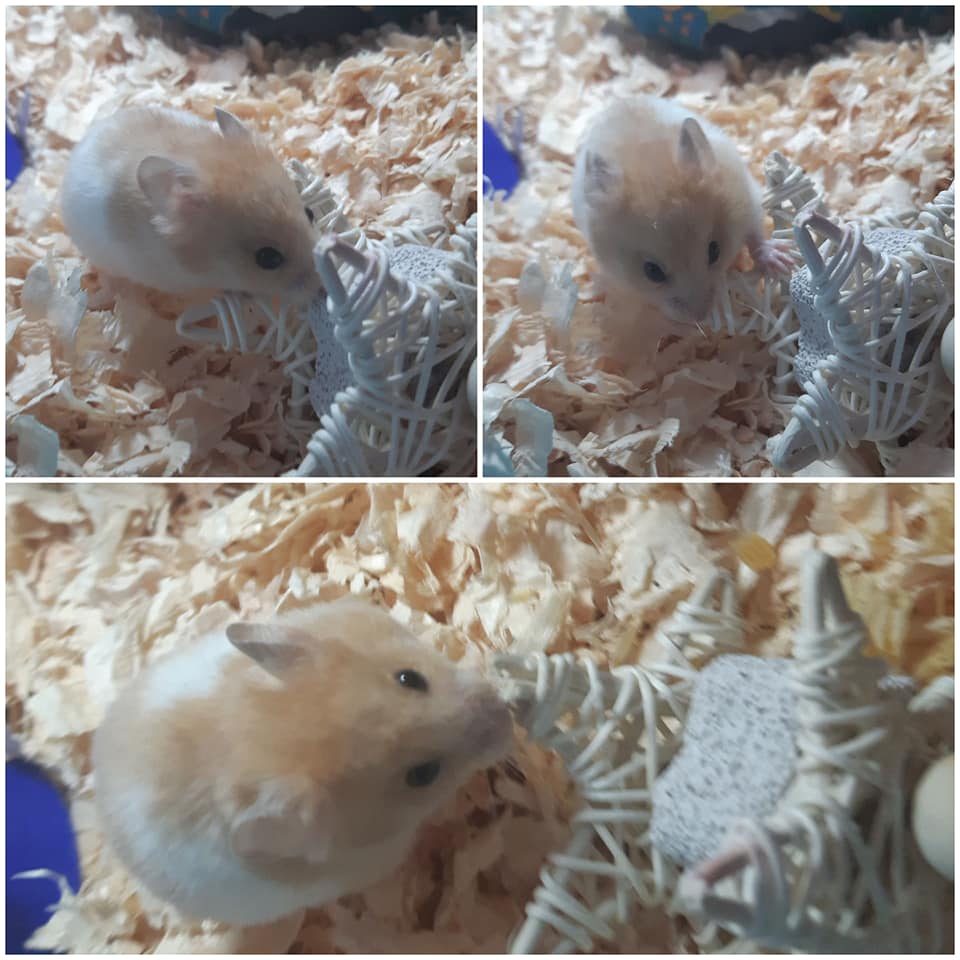
Plus deep paper bedding, a large solid wheel, sand bath, safe enrichment, fresh water and suitable hamster food.
Hamsters are nocturnal or most active overnight and early morning. They are not ideal pets for small children because they are usually asleep when children are awake and are delicate to handle.
Hamsters are most active during the night and early morning.
All domestic hamster species should be housed individually.
This is an average, and good care helps them live as well as possible.
Hamsters are sensitive to temperature and must be kept indoors.
Hamsters need a good-quality, complete hamster food as the base of their diet. Different species may have slightly different needs, especially dwarf hamsters, so it is important to choose a suitable mix rather than relying on colourful low-quality foods.
They can also enjoy small amounts of suitable vegetables, forage and protein-based treats. Treats should be offered carefully and in moderation.
They naturally carry food in their cheek pouches and store it in hoards. Always check hoards for fresh food that could spoil.

Hamsters need a wide, floor-based enclosure with enough room for deep bedding, a large wheel, hides, tunnels, forage areas and enrichment. Tall cages with lots of height can be risky because hamsters can fall and injure themselves.
The minimum recommended enclosure size is 100cm x 50cm, but bigger is always better. Suitable options may include large barred cages, glass tanks, wooden enclosures or plastic enclosures with proper ventilation.
This can look like hibernation and they may be mistaken for dead. Temperature stability is extremely important.

Hamsters rely heavily on scent. Over-cleaning can be stressful because it removes the smells and nest areas that help them feel secure. Cleaning should be regular, but calm and considered.
Spot clean wet areas and remove old fresh food regularly. When you do a bigger clean, keep back some clean old bedding and scatter it into the fresh bedding so the enclosure still smells familiar.
Hamsters groom themselves and should never be washed in water. A suitable sand bath can help maintain their coat naturally.

Hamsters are active, inquisitive and built to explore. A bare cage with a tiny wheel is not enough. They need lots of enrichment to dig, climb safely, hide, forage, chew, tunnel and make choices.
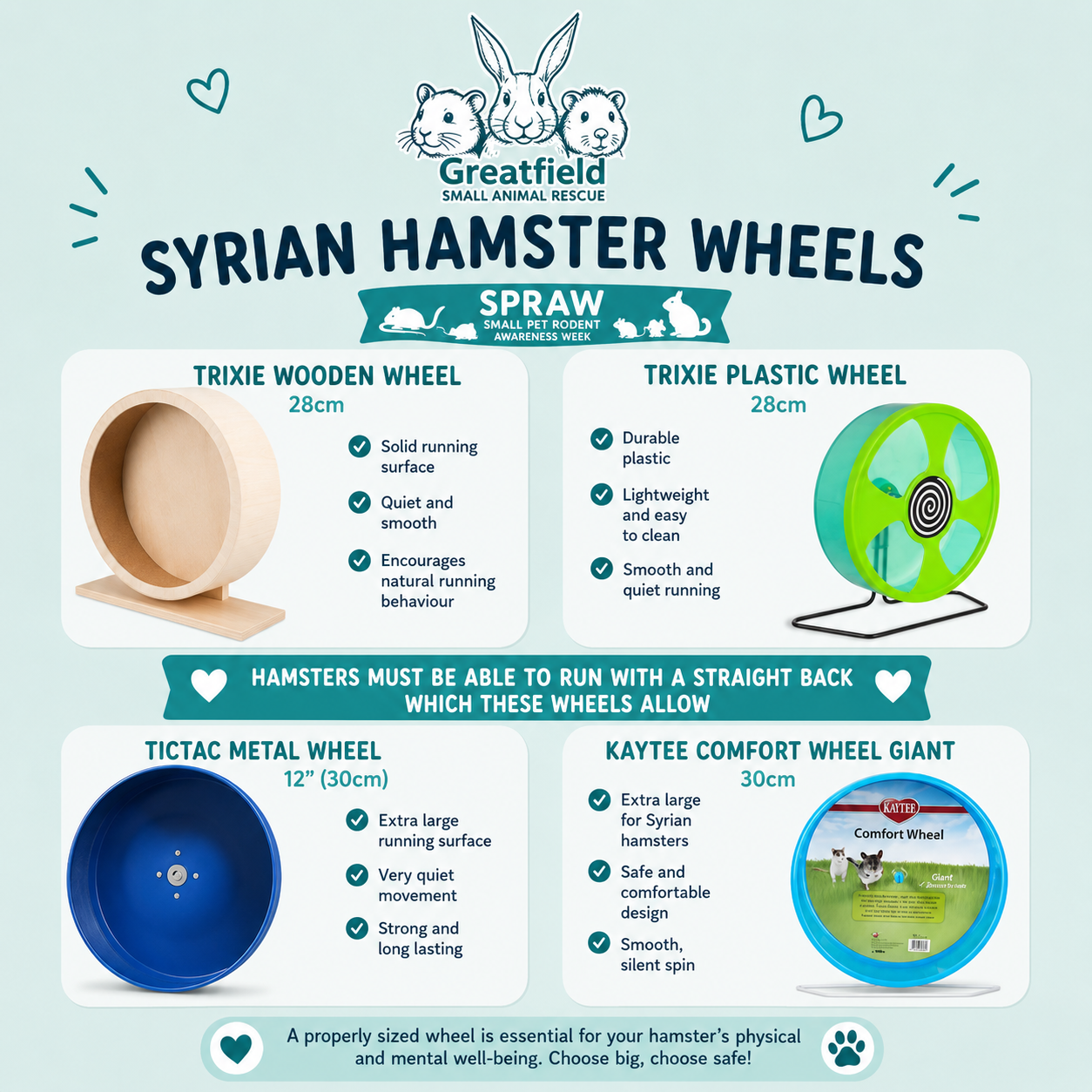
A safe wheel is essential. It should have a solid running surface and be large enough that the hamster’s back stays straight while running.
Hamsters love to make nests and burrows. They need plenty of safe, paper-based bedding so they can dig, build tunnels, hide food and sleep securely.
It is not recommended to use wood shavings or sawdust because they can irritate delicate respiratory systems. Cotton wool style bedding should never be used, even if marketed as safe.
It can wrap around limbs, cause blockages if swallowed, get stuck in pouches and contribute to injury, infection or illness.

Many hamsters can become comfortable with gentle handling, but they are small, delicate and can be fast. Dwarf species, especially Roborovskis, can be very wriggly and may be more suited to watching than frequent handling.
Hamsters do not have brilliant eyesight, so they may accidentally nip if your hands smell of food. Children should only handle hamsters with adult supervision, and sleeping hamsters should never be woken up just to play.
Hamsters enjoy exploring, but the area must be escape-proof, safe from other pets and free from chew hazards.
Hamsters do not usually need neutering because they should live alone. Procedures under anaesthetic can carry risks, especially for such small animals, so surgery should always be discussed with an experienced vet.
Hamsters can be prone to wet tail, dental problems, lumps, injuries, skin issues, respiratory problems and age-related changes. Because they are prey animals, they may hide illness until they are already very unwell.
If you notice diarrhoea, wetness around the rear, lethargy, poor appetite or sudden weakness, contact a vet as soon as possible.
These are the things we wish every hamster owner knew before bringing a hamster home.
No. All domestic hamster species should be housed alone. Even if a pair seems fine at first, they can suddenly fight and cause serious injuries.
The minimum recommended enclosure size is 100cm x 50cm. Bigger is better, especially if it allows for deeper bedding, a suitable wheel and more enrichment.
Yes, a suitable sand bath helps hamsters keep their coats clean. They should never be bathed in water unless a vet specifically advises it.
Hamster balls are no longer recommended because they can be stressful, restrict choice and increase the risk of injury. Supervised free-roam in a safe area is better.
No. Hamsters should not be woken from sleep for handling. They are nocturnal, so interaction needs to fit around their natural waking times.
Contact a vet if your hamster has diarrhoea or wetness around the bottom, stops eating, seems weak, cold, hunched, has breathing problems, injuries, lumps, dental symptoms or any sudden change that worries you.
Whether you are preparing to adopt, improving your setup, worried about your hamster, or need kind, practical advice, please get in touch. We are here to help where we can.
Typically replies within an hour
I will be back soon
