When the weather is warm, a safe outdoor run can be a lovely way for rabbits and guinea pigs to graze, explore and enjoy fresh air. 🌿 But summer garden time only works well if the set-up protects them from heat, fear and escape risks.
At Greatfield Small Animal Rescue, we often meet small pets whose housing has been far too cramped, too exposed or simply not designed with their natural behaviour in mind. A run should never be an afterthought. It should feel like a calm, shaded extension of their living space, with room to move and places to hide.
This guide explains how to improve outdoor run safety for rabbits and guinea pigs in summer, without making things complicated or expensive. A few thoughtful changes can make a big difference. 🐰💛
Why summer run set-up matters
Warm weather creates extra welfare risks. Direct sun can build up heat quickly, even when the air feels mild to us. Open spaces can leave prey animals feeling exposed. Grass runs can be brilliant for enrichment, but only if they are secure and checked carefully.
Rabbits and guinea pigs both need shelter, airflow and enough space to behave naturally. That means grazing, stretching out, popping in and out of cover, and choosing whether to rest or move around. The safest run is one that gives them options rather than leaving them stuck in one patch of sun or one bare corner.
Start with shade, not sunshine
Many people picture outdoor time as a sunny garden moment, but the priority should actually be shade. In summer, at least part of the run should stay shaded throughout the day, and you need to remember that the sun moves. A spot that looks perfect at 9am can become dangerously bright by lunchtime.
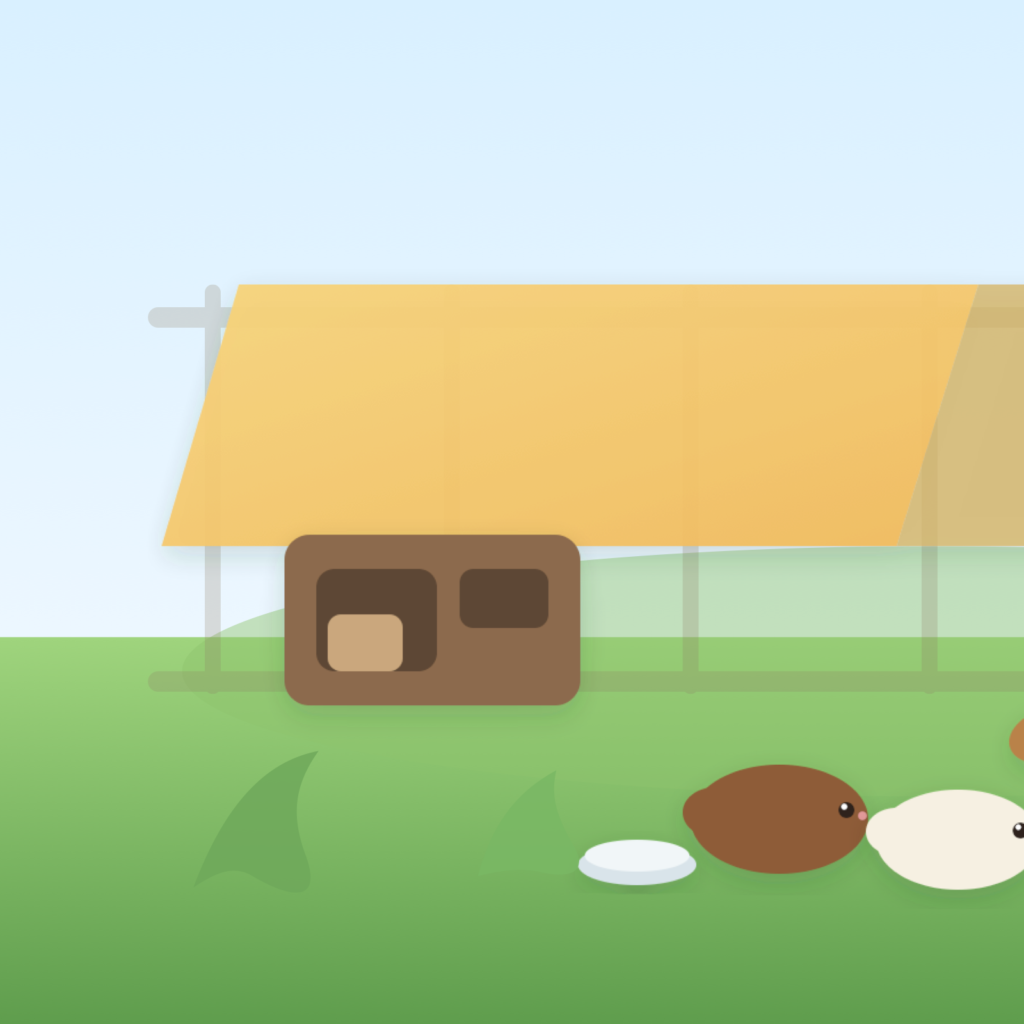
Use a fixed cover, run shade, parasol positioned safely outside the enclosure, or another secure overhead barrier that does not trap hot air. Aim for dappled or full shade over a generous part of the run, not just one tiny patch.
- Check the run at different times of day before using it
- Make sure shade is available without blocking ventilation
- Never rely on a plastic cover that turns the space into an oven
- Always provide fresh water in sturdy bowls, not only bottles
If the garden is very exposed and you cannot create reliable shade, skip outdoor time that day. Staying indoors in a cooler set-up is kinder than pushing through with a risky summer run.
Give them shelter they can actually use
A run should include proper refuge spaces, not just open mesh. Guinea pigs in particular can feel vulnerable in wide open areas and often prefer to keep close to cover. Rabbits also need places to hide, rest and observe quietly.
Simple shelters work well: wooden hide houses, tunnels, cardboard boxes in dry weather, or secure covered sections attached to the run. The key is that the animal can enter easily, turn around comfortably and choose to come back out without being cornered.
If your pets only go into a separate run for part of the day, make sure the shelter is already inside it. They should not have to wait to be moved back before they can get out of the sun or calm themselves down.
Think like a rabbit and guinea pig, not like a human
We often judge a set-up by how neat it looks. Small pets judge it by whether it feels safe. A big empty lawn pen may look roomy, but to a prey animal it can feel very exposed.
Try to include a few gentle features that encourage natural behaviour:
- Grass for grazing if the area is clean and untreated
- Tunnels or arches to move between covered spots
- Hide boxes with more exits than one where possible
- Safe chew items and foraging opportunities
- A cool surface or sheltered resting area
For rabbits, outdoor time should support movement, stretching, exploring and relaxed loafing. For guinea pigs, it should also include places to dash into quickly, as many feel safer when they can stay near solid sides or overhead cover.
Make the run secure from predators and escapes
Outdoor run safety for rabbits and guinea pigs is not only about heat. Security matters just as much. Runs should use strong welded mesh, secure fastenings and a design that prevents easy lifting, pushing or chewing through weak points.
Rabbits are enthusiastic diggers, so grass runs need extra thought. If a run sits directly on the lawn, check constantly for digging and weak spots. Some carers add a mesh skirt around the edge or use paving around the perimeter. If your rabbit cannot dig in the run itself, offer a separate digging tray or pit elsewhere so that natural behaviour is still supported.
Guinea pigs are less likely to tunnel out, but they are especially vulnerable if a run is flimsy or easy for another animal to disturb. Place runs in a calm area away from household predators and noisy garden activity. Even if a dog or cat cannot physically get in, being stared at or rushed at can still be frightening.
Watch the ground and the garden itself
A lovely-looking garden is not always a safe one. Before outdoor time, check the surface and the surrounding area carefully.
- Avoid freshly treated lawns and any area exposed to weedkiller, slug pellets, fertiliser or pest control products
- Check that plants within reach are safe to nibble
- Remove sharp objects, litter, children’s toys and anything that could trap little feet
- Make sure the ground is dry enough to stay comfortable and hygienic
If you are unsure whether a plant or product is safe, keep the run elsewhere until you have checked. With rescue animals especially, it is always better to be cautious than to hope for the best.
Choose the right time of day
Even a well-designed run may not be suitable during the hottest part of the afternoon. Morning and early evening are usually gentler choices in summer. They also fit better with rabbit behaviour, as rabbits tend to be most active around dawn and dusk.
Keep sessions flexible. Some days may be perfect for a longer graze. On hotter or more humid days, a shorter supervised session may be the kindest option. If anyone seems reluctant to move, stretched out, fast-breathing, dull or unsettled, bring them somewhere cooler and seek veterinary advice promptly if you are worried.
A simple summer run checklist
- Is there dependable shade across part of the run?
- Is fresh water available in a heavy bowl?
- Are there shelters and hiding places inside the run?
- Is the mesh secure and the base escape-resistant?
- Is the grass or ground free from chemicals and hazards?
- Can your pets move in and out of cover easily?
- Are you using the run at a cooler time of day?
If the answer to any of these is no, pause and adjust the set-up first. Small animals are very good at hiding discomfort, so prevention matters far more than waiting for obvious signs of trouble.
Quick recap
A good summer run is shaded, secure, airy and full of choice. It gives rabbits and guinea pigs room to move while also offering shelter, calm and protection. Outdoor time should support welfare, not test it.
If you are reviewing your set-up this summer, take it one step at a time. A better shade cover, a more secure base, or an extra hide can all improve outdoor run safety for rabbits and guinea pigs in very practical ways. 🌿
If you would like more kind, rescue-led advice, explore the care guides on Greatfield Small Animal Rescue’s website, support the rescue’s work, or consider adoption when the time is right. Every well-informed choice helps small animals live safer, happier lives. 🐾
Further reading
- Rabbit Welfare Association & Fund: Outdoor rabbit housing
- Rabbit Welfare Association & Fund: Hot weather care
- RSPCA: Creating a good home for guinea pigs
FAQs
Can rabbits stay in an outdoor run all day in summer?
Only if the set-up stays shaded, secure and comfortable, with constant access to shelter and water. On warmer days, shorter sessions at cooler times are often safer.
Do guinea pigs need hiding places in a run?
Yes. Guinea pigs often feel stressed in exposed open spaces, so shelters, tunnels and covered areas are an important part of their welfare.
Is grass always safe for rabbits and guinea pigs?
Grass can be great for grazing and enrichment, but only if it is free from chemicals, unsafe plants and escape risks. Always check the area before use.