Guinea pig flystrike prevention matters every summer, especially when warm weather, damp bedding or a dirty rear end give flies the chance to cause devastating harm. It is a frightening condition, but kind daily care really can lower the risk. 🐹💛
At Greatfield Small Animal Rescue, we always want small pet advice to feel calm, practical and supportive. If you are worried about your guinea pig, the good news is that a few simple checks each day can make a real difference.
What is flystrike?
Flystrike happens when flies lay eggs on an animal, usually around fur that is damp, dirty or matted. The eggs hatch into maggots, which can cause severe pain and tissue damage very quickly. It is always an emergency.
For guinea pigs, the highest-risk area is usually around the bottom. Urine staining, droppings stuck in the coat, diarrhoea, limited mobility and long fur can all increase the danger.
Why summer raises the risk
Warm, humid weather means flies are more active. That is why guinea pig flystrike prevention becomes especially important in late spring and summer.
Hot weather can also make other problems worse. A guinea pig who is uncomfortable in the heat may move less, sit in one spot for longer, or become messier around the back end. If their enclosure is not cleaned often enough, flies can be attracted very quickly.
Guinea pigs most at risk
- Long-haired guinea pigs
- Older guinea pigs
- Guinea pigs with arthritis or reduced mobility
- Guinea pigs with dental pain who are not grooming properly
- Overweight guinea pigs
- Guinea pigs with diarrhoea, urine scald or a dirty bottom
If your guinea pig has had recent health changes, this is the time to be extra observant and speak to a guinea pig-savvy vet early.
Your daily guinea pig flystrike prevention routine
Kind routines work best. You do not need to turn every cuddle into a stressful inspection, but you do need to check thoroughly.
1. Check the rear end twice a day in warm weather
Lift your guinea pig gently and look at the fur and skin around their bottom at least morning and evening when temperatures rise. You are looking for urine staining, wet or sticky fur, droppings caught in the coat, a sour smell, red or broken skin, and any sign of tiny cream-coloured eggs or maggots.
If you see maggots, contact a vet immediately. Do not wait to see if your guinea pig improves.
2. Keep bedding dry and fresh
Guinea pig flystrike prevention depends heavily on hygiene. Remove wet bedding and obvious soiling every day, and do a more thorough clean on a regular schedule that matches your set-up and group size.
Pay special attention to sleeping areas, corners where urine collects, and any hide where guinea pigs spend a lot of time. A clean enclosure is not just nicer to live in. It is part of lifesaving summer care.
3. Groom long-haired guinea pigs regularly
Long coats can trap moisture, bedding and droppings. Brush gently and trim fur around the back end if needed, ideally with guidance from a vet nurse or experienced professional if you are unsure.
Do not bathe routinely unless your vet advises it, but do act promptly if fur becomes heavily soiled. Repeated mess is often a clue that there is an underlying health issue to address.
4. Support good gut health
A healthy diet helps guinea pigs stay cleaner and healthier overall. Plenty of hay, appropriate greens and a good routine can help reduce digestive upset, which matters because diarrhoea and soft droppings increase flystrike risk.
If your guinea pig suddenly has messy droppings, stops eating normally, or seems uncomfortable, speak to your vet as soon as you can.
5. Watch how well they are moving and grooming
Some guinea pigs get messy because they physically cannot clean themselves properly. Older pets, overweight guinea pigs, and those with arthritis or dental disease may need extra help.
If your guinea pig’s coat looks untidy, their bottom is repeatedly dirty, or they are quieter than usual, do not assume it is just age. Gentle early intervention is part of good guinea pig flystrike prevention.
Signs your guinea pig needs urgent vet care
- Maggots or eggs in the coat
- A strong unpleasant smell from the rear end
- Red, raw or bleeding skin
- Collapse, pain or distress
- A sudden stop in eating
- Rapid weight loss or extreme lethargy
Flystrike is not something to manage at home. Fast treatment can save suffering and may save a life.
Simple ways to make summer safer
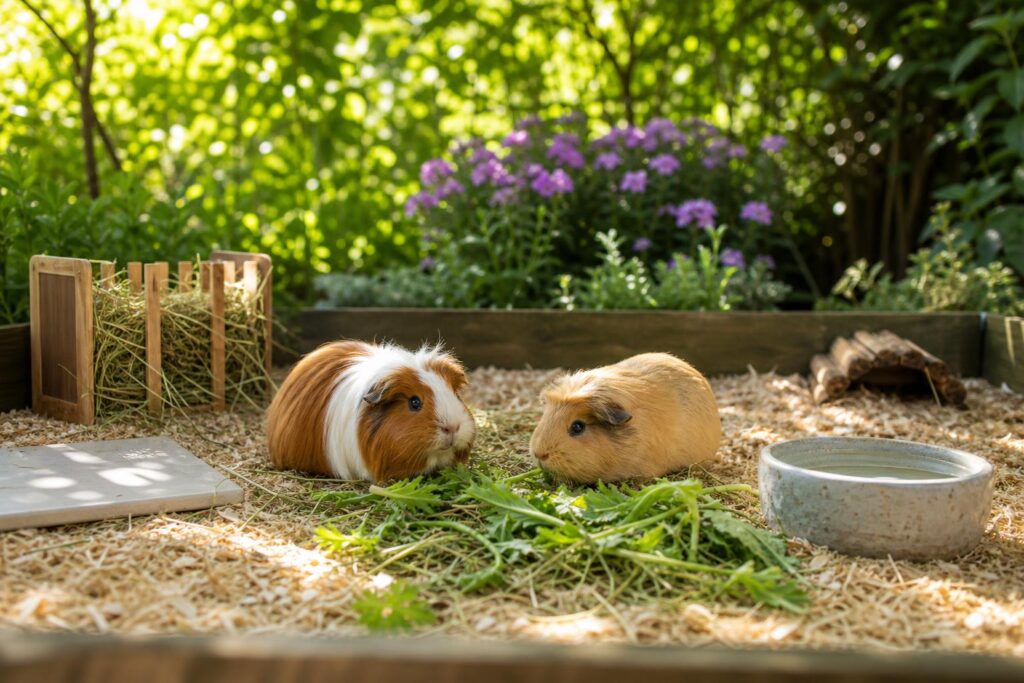
- Keep enclosures in shade and out of direct midday sun
- Provide fresh water at all times
- Use cool safe surfaces such as ceramic tiles
- Make sure air can move around the enclosure
- Avoid letting bedding build up in warm corners
- Check vulnerable guinea pigs more often than once a day
If you have a bonded pair or group, remember that one guinea pig may hide illness while another looks perfectly bright. Individual checks still matter.
A kind note for worried owners
If you have found your guinea pig a bit messy at the back, please do not panic and do not feel ashamed. Small pets are very good at hiding discomfort, and many caring owners first spot a problem during an ordinary clean-out.
What matters most is what you do next: clean what is safe to clean, keep the area dry, and get veterinary advice if the mess keeps coming back or your guinea pig seems unwell.
Quick recap
Guinea pig flystrike prevention is about checking bottoms carefully, keeping bedding dry, supporting good grooming, and acting fast if something changes. Summer can be lovely for small pets, but it is also a season when little welfare checks matter a great deal.
If you would like more small pet care guidance, please explore the advice and rehoming information across the Greatfield Small Animal Rescue website. Sharing accurate welfare advice helps more animals stay safe. 🐹🌿
FAQs
How often should I check my guinea pig for flystrike in summer?
At least twice a day in warm weather, especially around the rear end. Guinea pigs with mobility, weight or grooming problems may need even closer checks.
Can indoor guinea pigs get flystrike?
Yes. Indoor housing reduces some risks, but flies can still get inside. Guinea pig flystrike prevention is important whether your pets live indoors, outdoors or in a shed set-up.
Does a dirty bottom always mean flystrike?
No, but it is a warning sign you should take seriously. A dirty bottom can point to diet problems, dental pain, obesity, arthritis or illness, and it can attract flies if left unresolved.