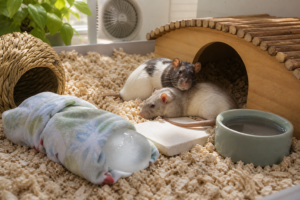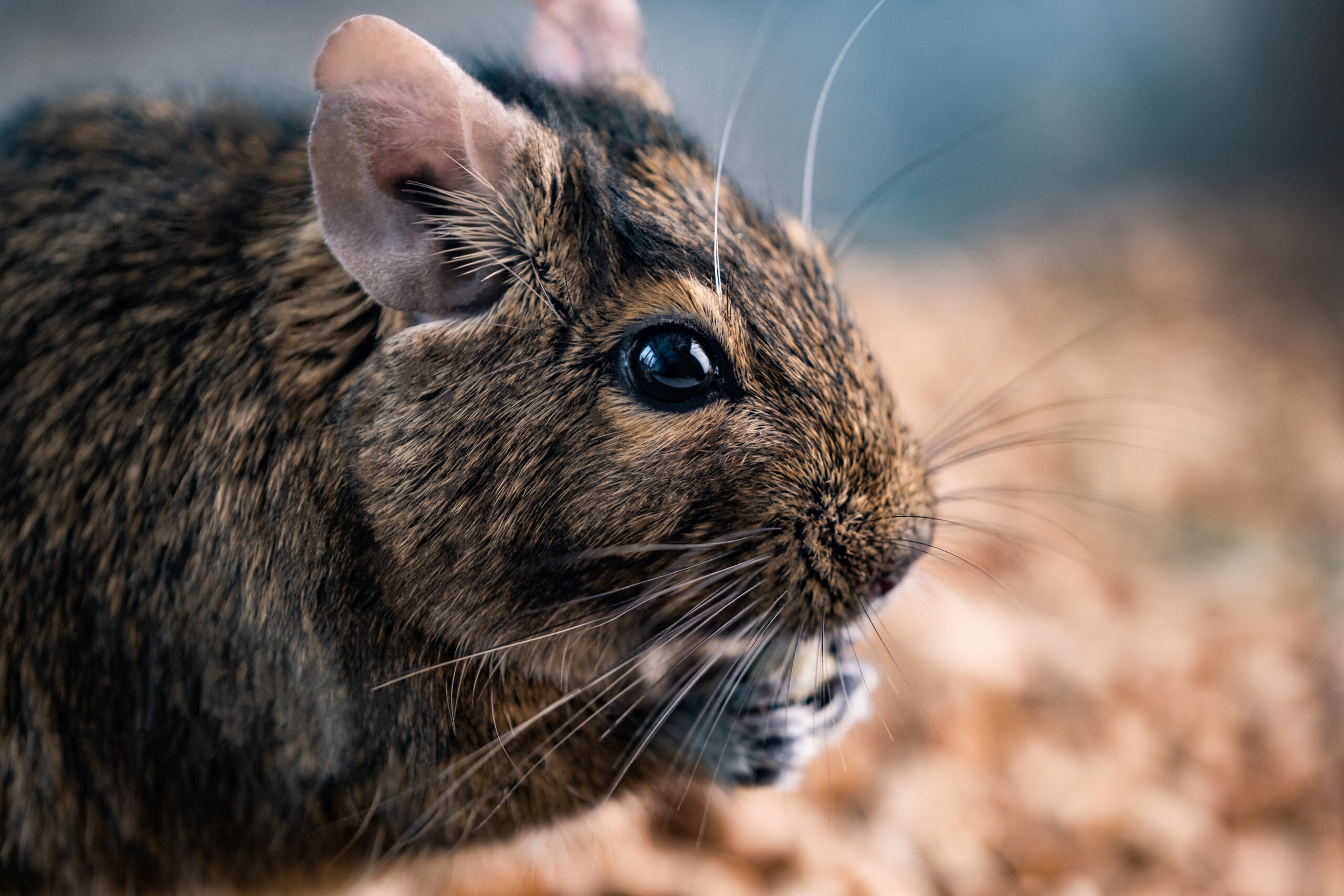

Mice are social, inquisitive little creatures that thrive with company. If you’re thinking about keeping mice—or already have some scurrying around your home—you might wonder: how many mice should you keep together? The answer depends on their species, gender, and living arrangements, but one thing is clear: mice are happiest when they’re not alone.
At Greatfield Small Animal Rescue, we’ve seen just how important social bonds are for mice. Let’s explore how to create the perfect group dynamic to keep your mice happy, healthy, and entertained.
Are Mice Social Animals?
Absolutely! Mice are incredibly social and rely on each other for companionship, comfort, and even entertainment. In the wild, they live in groups, working together to forage, nest, and stay safe.
Domesticated mice have the same social needs, and keeping them alone can lead to boredom, stress, and behavioural problems. A happy mouse is one with friends!
How Many Mice Should You Keep?
Female Mice
- Female mice are natural social butterflies and usually thrive in groups.
- A group of three or more females is ideal, as this helps to prevent dominance issues and ensures everyone has plenty of company.
Male Mice
- Uncastrated male mice cannot be housed together as they can be incredibly territorial, resulting in stress, injury and sometimes fatal.
- It is always recommended to ensure your male mouse is castrated so he can he can live females or other male mice.
- Mixed-gender groups can work if males are neutered. This allows you to create a balanced, happy group without the risk of unwanted litters.
Why Three Is the Magic Number
When it comes to female mice, keeping at least three together is recommended. Here’s why:
- Social Enrichment: Mice are naturally social, and larger groups provide more opportunities for interaction and play.
- Prevents Loneliness: If one mouse becomes unwell or passes away, the remaining mice still have each other for companionship.
- Natural Behaviours: Group dynamics allow mice to express their full range of social behaviours, from grooming to nest-building.
Creating the Perfect Mouse Group
To ensure harmony within your mouse group, follow these tips:
- Introduce Mice Carefully
- If you’re adding new mice to an existing group, introduce them slowly and in a neutral space. Watch for signs of aggression and separate them if needed.
- Provide Plenty of Space
- Mice need room to roam and explore. Make sure their cage is spacious enough for everyone, with multiple hideouts, wheels, and toys to prevent overcrowding.
- Enrichment Is Key
- Keep your mice entertained with a variety of tunnels, climbing structures, and chew toys. Bored mice are more likely to squabble!
- Neutering for Harmony
- If you’re considering a mixed group, neutering males is essential to prevent breeding and reduce aggression.
- Monitor Behaviour
- Even the best-matched groups can have occasional spats. Keep an eye on your mice for signs of stress or injury and separate them if necessary.
Why Mice Need Companionship
Keeping mice together isn’t just about fun—it’s essential for their mental and emotional wellbeing. Here’s what companionship provides:
- Reduced Stress: Mice feel safer in groups, as they would in the wild.
- Social Interaction: From grooming to playing, social behaviours are vital for a mouse’s happiness.
- Mental Stimulation: Watching and interacting with each other keeps their minds active and engaged.
Can You Keep Mice Alone?
While it’s technically possible to keep a mouse alone, it’s not recommended. Lone mice often become lonely, stressed, and even depressed without the company of their peers. They may also develop behavioural issues like over-grooming or excessive chewing.
If you’re adopting a single mouse, plan to introduce them to a group or pair as soon as possible to give them the companionship they need.
Housing Tips for Multiple Mice
Creating the right environment is key to a happy mouse group.
Here’s how to make their home perfect:
- Size Matters
o Choose a large cage with plenty of space for all your mice. Aim for at least 80x50cm for a small group, with more space for larger groups. - Levels and Enrichment
o Add multiple levels, ramps, and tunnels to maximise space and keep things interesting. - Hiding Places
o Provide plenty of hideouts and nesting areas so each mouse has a place to retreat when they need some alone time. - Regular Cleaning
o A clean environment helps prevent fights and keeps everyone healthy. Clean the cage regularly, but avoid removing all the scent markers at once, as this can cause stress. - Food and Water Stations
o Ensure there are multiple food bowls and water bottles to prevent competition.
At Greatfield Small Animal Rescue
Here at Greatfield, we always ensure our mice are housed in compatible groups before they’re rehomed. Whether it’s a trio of playful females or a single neutered male with a few friends, we carefully match their personalities and needs to create harmonious groups.
If you’re considering adopting mice, we’d be happy to guide you through the process and help you find the perfect number for your home. Mice may be small, but their social needs are huge—and we’re here to make sure every mouse gets the companionship and care they deserve.
#MiceCare #HappyMice #GreatfieldSmallAnimalRescue